


New York Post

HantaRadar aggregates hantavirus reports from WHO, ECDC, CDC, RKI, and ProMED. We explain the virus, its symptoms, and what actually prevents exposure.
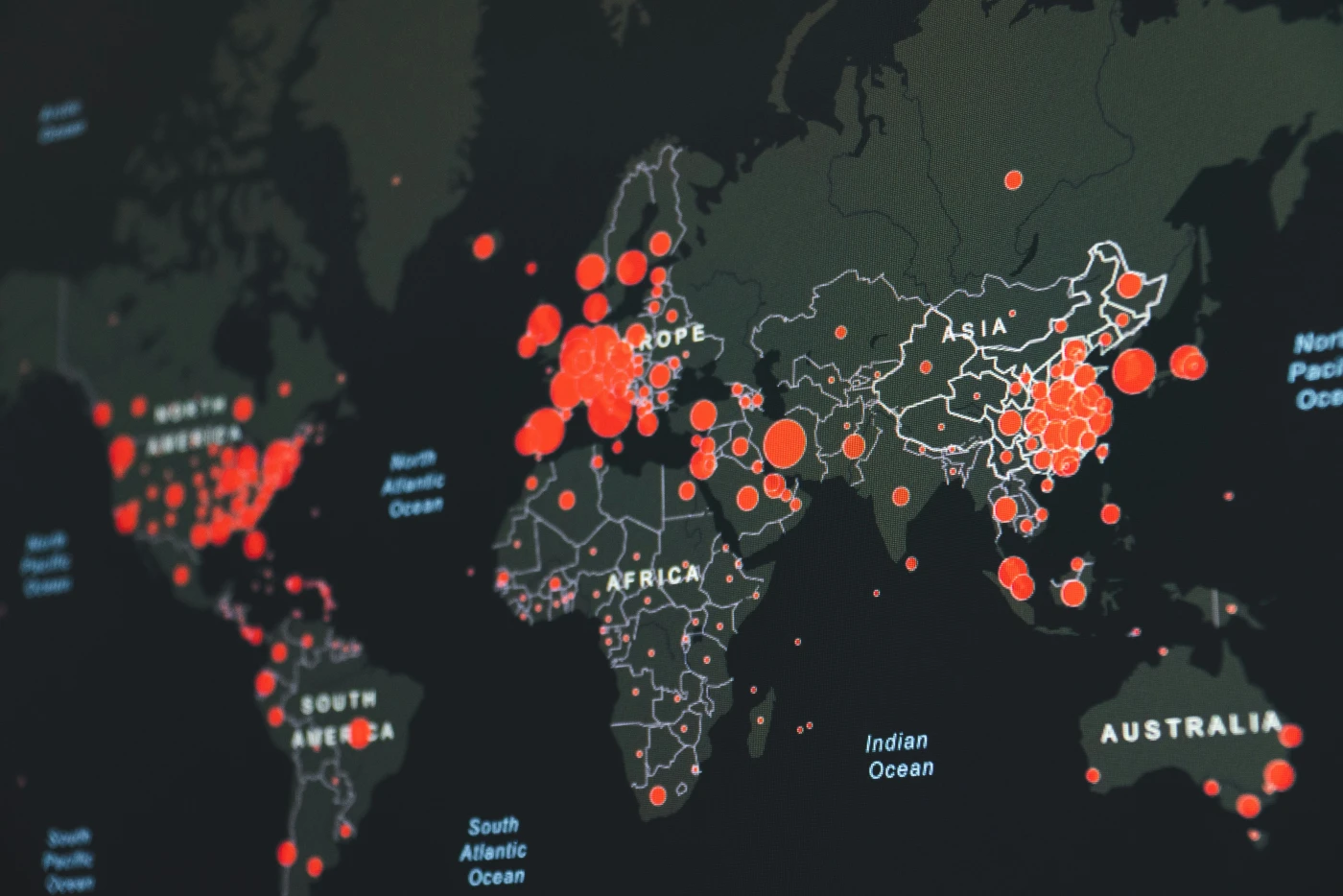


Each guide cites official sources and links to the next logical question. Start anywhere.
Virus family, reservoirs, geography, and the two main syndromes in plain terms.
Read moreEarly flu-like phase and the shift to severe disease, with timelines.
Read moreAerosol from rodent excreta is the main route. Person to person is rare.
Read moreELISA, RT-PCR, and what to ask for if you suspect exposure.
Read moreExclusion, safe cleanup, and the protocol that breaks the chain.
Read moreTwo faces of hantavirus disease, compared by region, organ, and severity.
Read moreWhat works long term: exclusion, trapping, and habitat reduction.
Read moreFrom Korea 1951 to Yosemite 2012 and recent Andes virus clusters.
Read moreThe items frequently recommended in CDC, ECDC, and RKI cleanup guidance. Pricing varies by region.
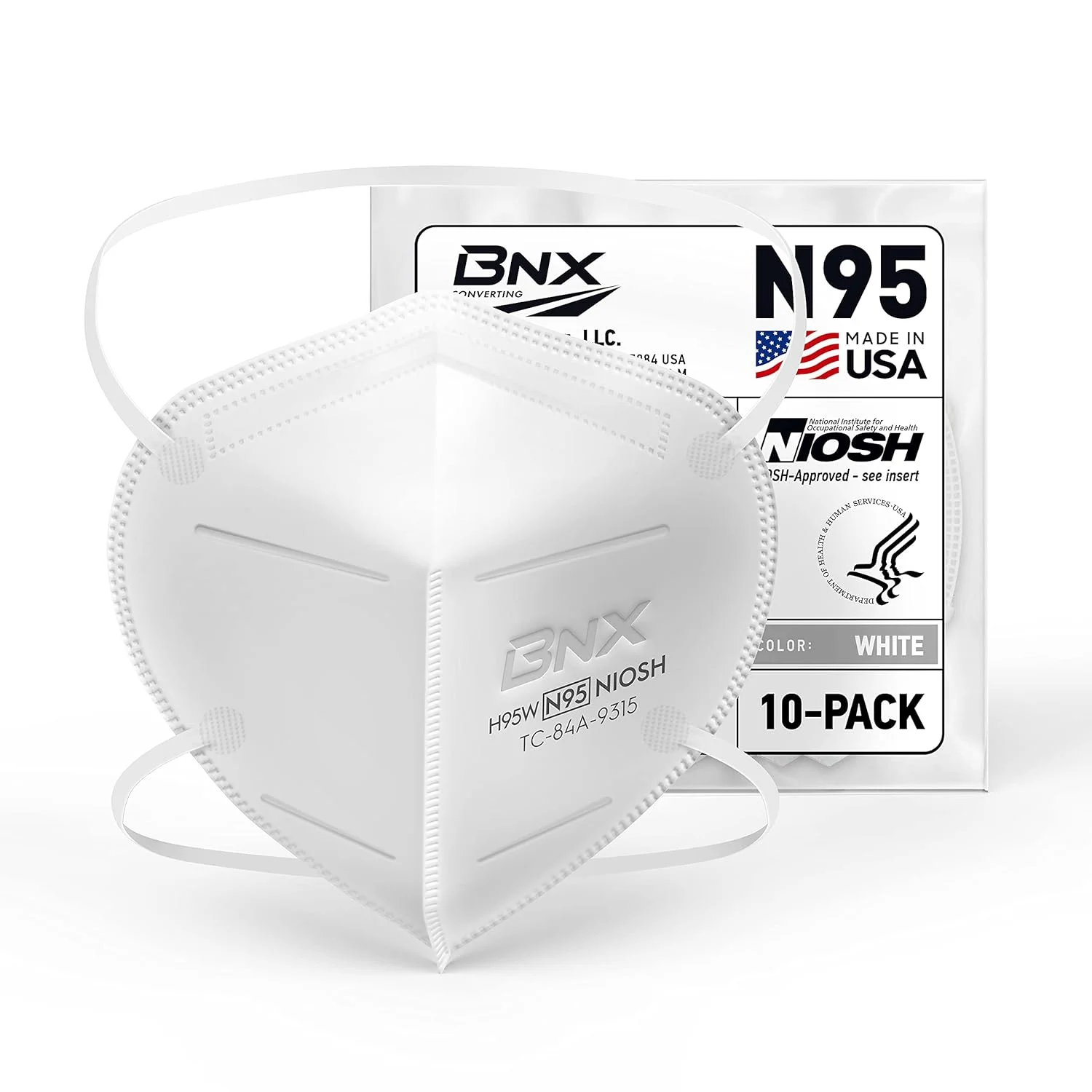
NIOSH-certified N95 respirator filtering 95% of airborne particles. Minimum recommended protection for brief exposure during cleanup in rodent-infested areas.
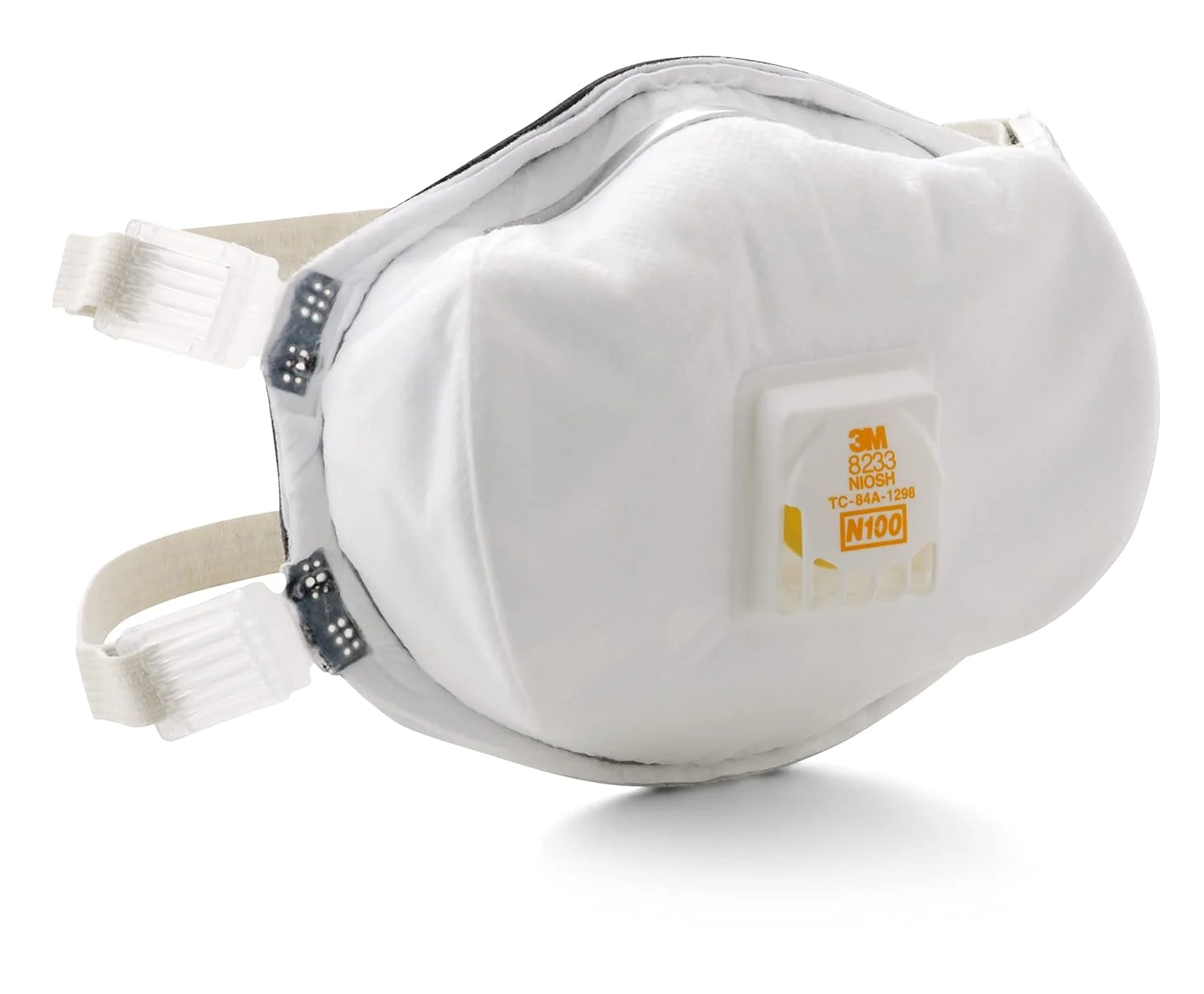
N100-rated respirator filtering 99.97% of airborne particles. Recommended for extended cleanup work or heavily contaminated spaces where hantavirus exposure risk is elevated.
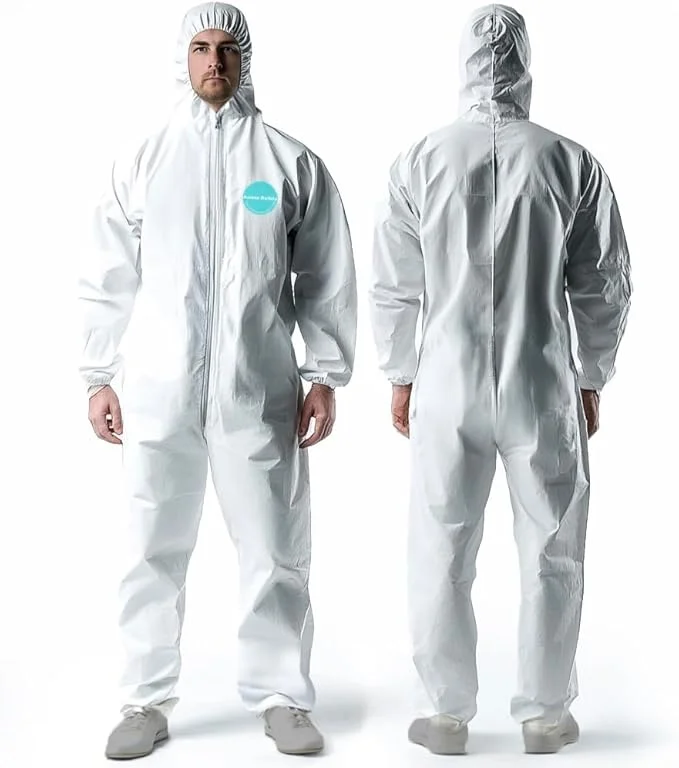
Type 5/6 microporous full-body coverall with attached hood. Provides barrier protection against dry particles and light liquid splashes during hantavirus cleanup. Dispose after each use.
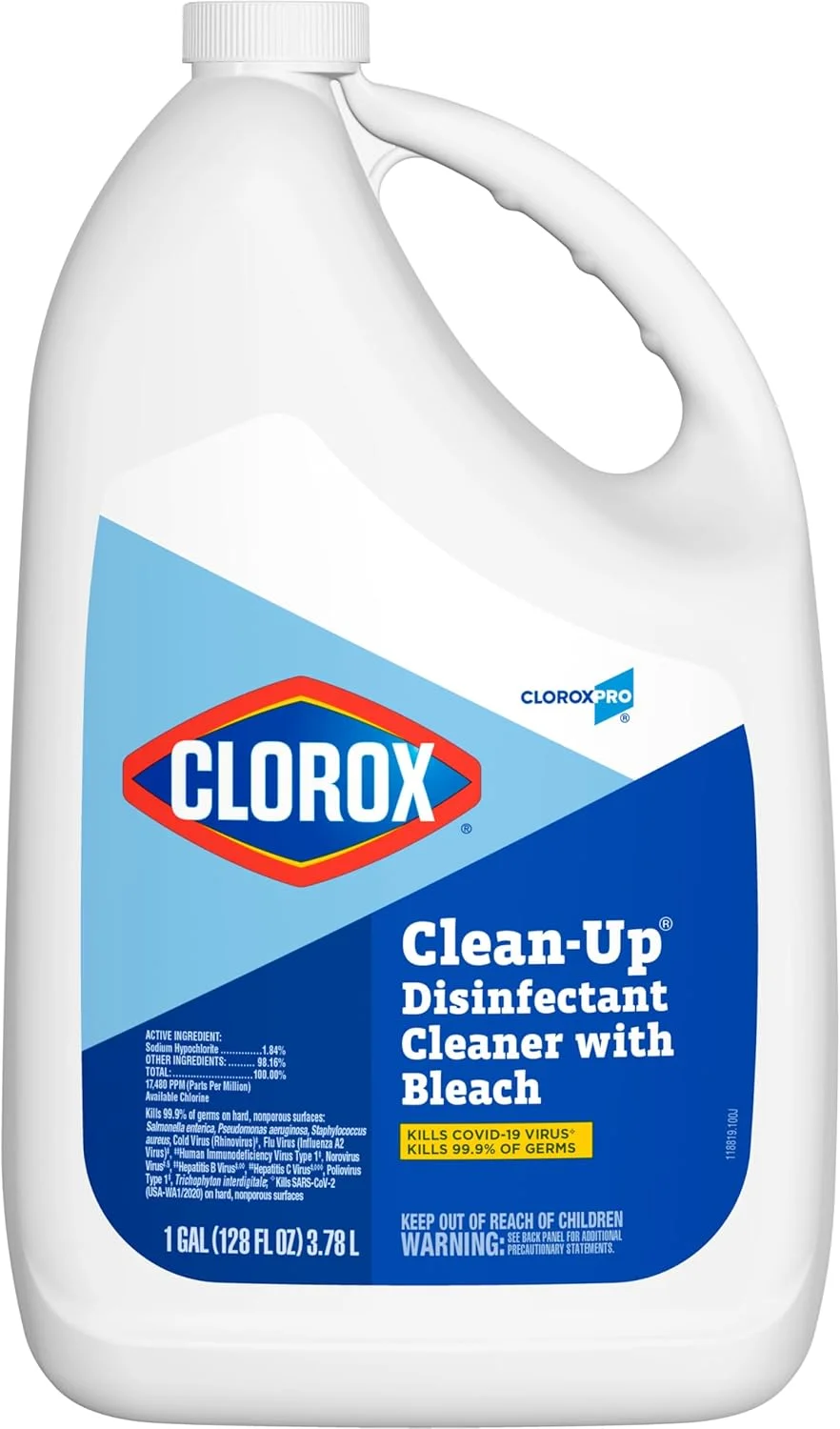
EPA-registered disinfectant cleaner. CDC recommends a 1:10 bleach-water solution for surfaces contaminated with rodent droppings, urine, or nesting material.

High-sensitivity snap traps for mice and rats. Place along walls in active rodent paths. Reusable, easy to set without direct bait contact, and more effective than glue traps.

Corrosion-resistant copper mesh for permanently sealing gaps and entry points. Rodents cannot chew through copper. Cut to size, pack into openings, and secure with caulk.
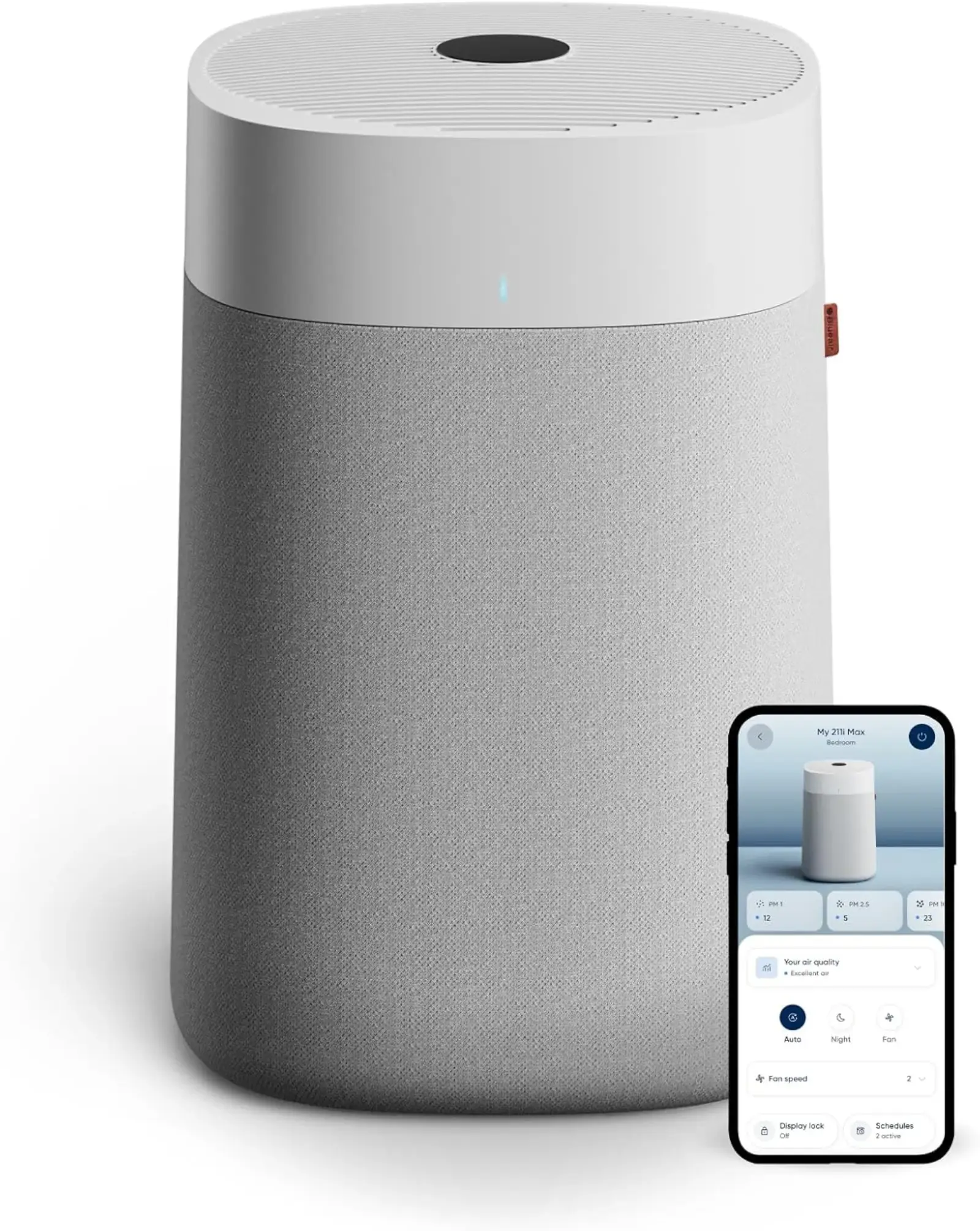
HEPASilent dual-filtration for rooms up to 550 sq ft. Run during and after cleanup to reduce airborne particles. Captures 99.97% of particles 0.1 microns and larger.

Whole-machine sealed HEPA filtration captures and contains 99.97% of particles. Unlike standard vacuums, the sealed system prevents aerosolized rodent excreta from escaping back into the air.
A luxury vessel that left Argentina in late March is now anchored off Cape Verde with a confirmed Andes virus outbreak. Three passengers have died. WHO is investigating possible person to person transmission, an extremely rare feature of this strain.

Auto-pulled from official surveillance feeds and aggregated news. Each item links back to its original source.
7 updates in the last 30 days · latest · auto-pulled every 3h
Newest items from all monitored feeds. The MV Hondius cluster has dominated coverage in the last 72 hours.
Hantaviruses are RNA viruses carried by mice, rats, and voles. People are exposed when virus particles from rodent urine, droppings, or saliva become airborne. Severity ranges from mild flu-like illness to lethal pulmonary or kidney disease.
The virus does not spread like the flu. Person to person transmission is documented only for the Andes virus in southern South America. Everywhere else, the chain runs from rodents to humans, and breaking that chain is what prevention does.
Read the full guideOur news feed covers WHO, ECDC, CDC, RKI, ProMED, PAHO, and Google News in one place. No login, no email required.
The most-searched hantavirus questions, answered. See the full FAQ for 40+ more.