

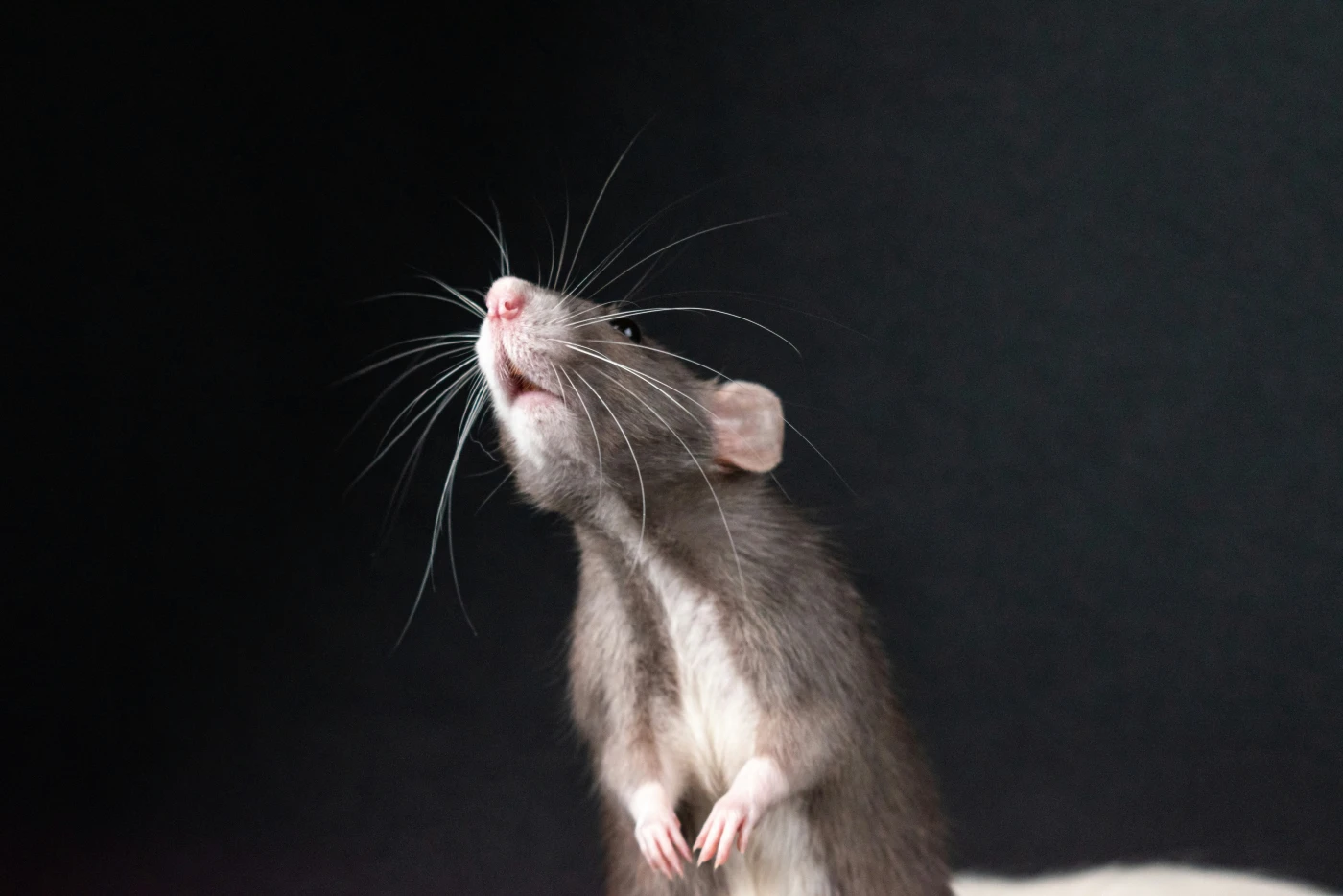
Hantavirus does not spread like the flu. It spreads through rodent excreta, usually inhaled as fine particles when contaminated material is disturbed. This article explains every documented transmission route.
Quick answer
The main route is inhaling aerosolized rodent urine, droppings, or saliva. Other routes are direct contact through broken skin, rodent bites, and rarely contaminated food. Person to person transmission is documented only for Andes virus. Insects and pets other than rats are not significant transmitters.
The dominant route: aerosol from rodent excreta
When dried rodent urine and feces are disturbed, virus particles become airborne and can be inhaled. This happens most often during:
- Sweeping or vacuuming a shed, cabin, basement, or attic that has rodent activity
- Moving boxes, furniture, or feed sacks where rodents have nested
- Handling old tents, camping gear, or stored vehicles after winter
- Agricultural work involving stored grain or hay
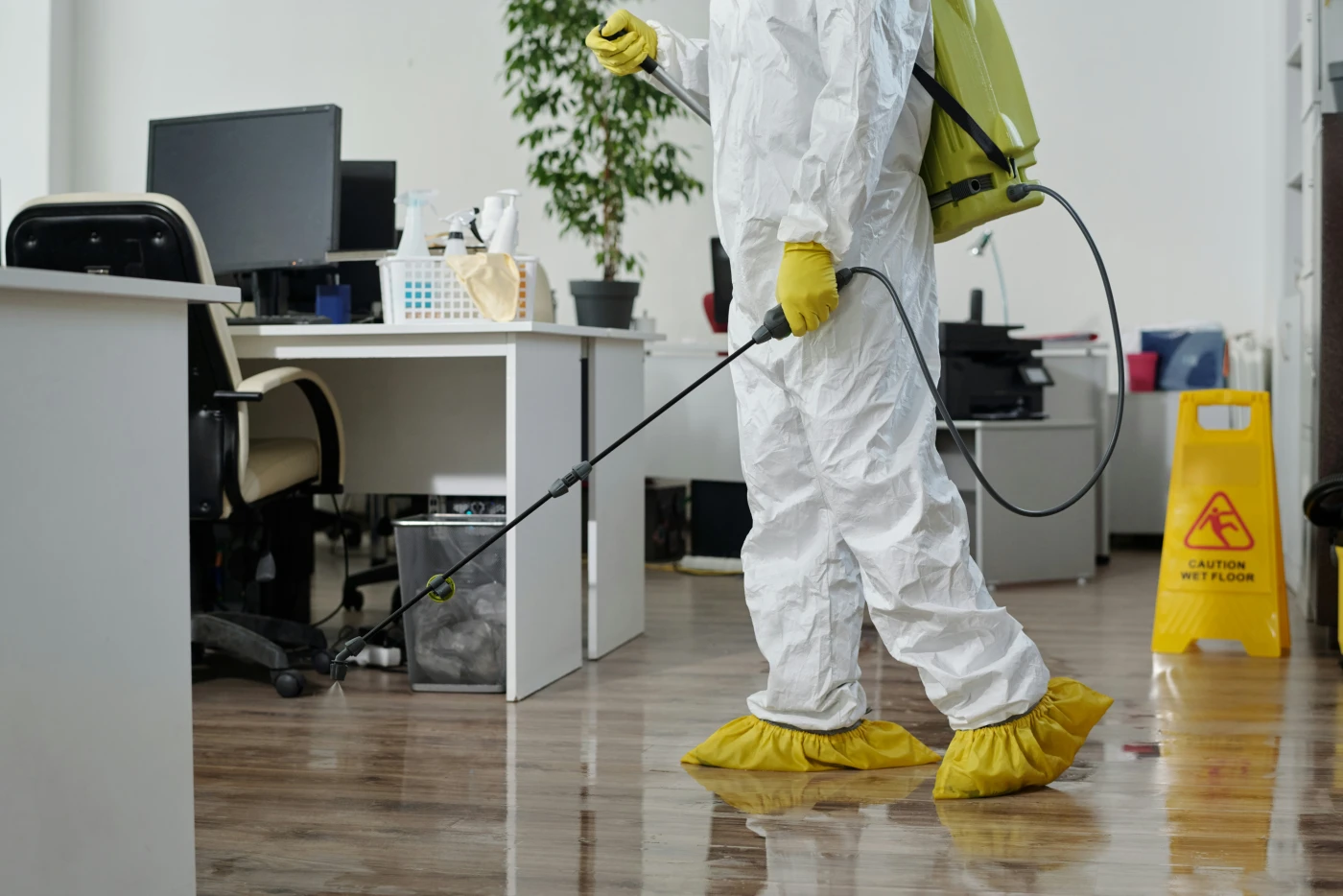
Sin Nombre virus, Puumala, Hantaan, and most other hantaviruses follow this pattern. The CDC identifies cleanup of rodent-infested spaces as the highest-risk activity.
Direct contact
Touching surfaces contaminated with rodent excreta and then touching the eyes, nose, or mouth can transmit the virus. Hand hygiene after any rodent-related activity matters.
The virus can also enter through broken skin. Cuts, scratches, or skin ulcers contacted with contaminated surfaces are potential entry points.
Rodent bites
Rodent bites transmit hantavirus directly through saliva. Bites are uncommon but documented. Pest control workers, wildlife researchers, and pet rat owners face elevated risk.
Contaminated food and water
Food gnawed on by rodents, or stored in spaces where rodent urine has settled, has caused infections. Water from outdoor sources contaminated with rodent excreta is also a risk in some regions. Discard suspect food and follow safe water practices when camping in endemic regions.
Pet rats and Seoul virus
Seoul virus is hosted by the brown rat (Rattus norvegicus). Pet rats imported from rodent breeders have caused documented Seoul virus infections in the United States, Canada, the United Kingdom, and other countries. The CDC investigated multistate outbreaks in 2017 and again in later years.
If you keep pet rats, source them only from breeders who can document negative hantavirus testing, wash hands after handling, and never house pet rats in spaces shared with food preparation.
Person to person spread: only Andes virus
Andes virus is the only hantavirus with documented person to person transmission. The rodent reservoir, the long-tailed pygmy rice rat, lives in southern Argentina and Chile, but infected travellers can carry the virus elsewhere. Historical clusters occurred among household and close contacts of HPS patients in southern South America.
The 2026 MV Hondius cruise ship cluster, where confirmed Andes virus cases continued to appear weeks after the vessel left Argentina and far from any natural reservoir, fits the pattern of human-to-human spread and is being investigated by WHO.
For all other hantaviruses, hospital and community contacts of cases are not at increased risk.
What does not transmit hantavirus
These routes are not significant hantavirus risks:
- Mosquitoes, ticks, fleas, and other arthropods
- Cats and dogs (they do not carry the virus, though they may bring infected rodents indoors)
- Casual contact with another person who has hantavirus, except for Andes virus
- Properly cooked food
Practical takeaway
If you have to clean a rodent-infested space, the goal is to avoid creating aerosols. Wear an FFP3 or N95 respirator, wet down surfaces with disinfectant, and never sweep or vacuum dry contaminated material. The prevention article covers the cleanup protocol step by step.
Recommended gear
Items frequently asked about in this context. Pricing on Amazon varies by region.
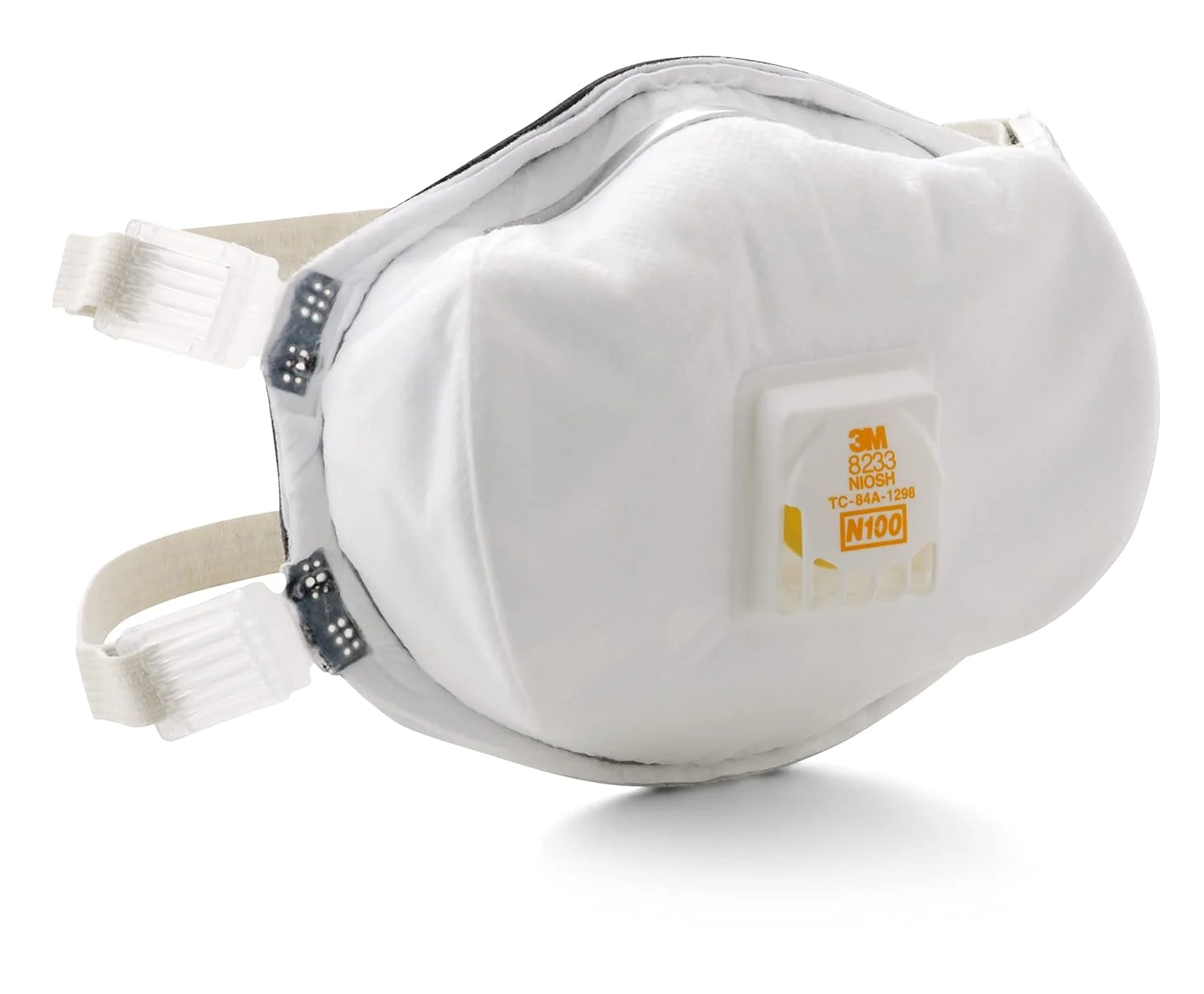
3M 8233 N100 Particulate Respirator
N100-rated respirator filtering 99.97% of airborne particles. Recommended for extended cleanup work or heavily contaminated spaces where hantavirus exposure risk is elevated.
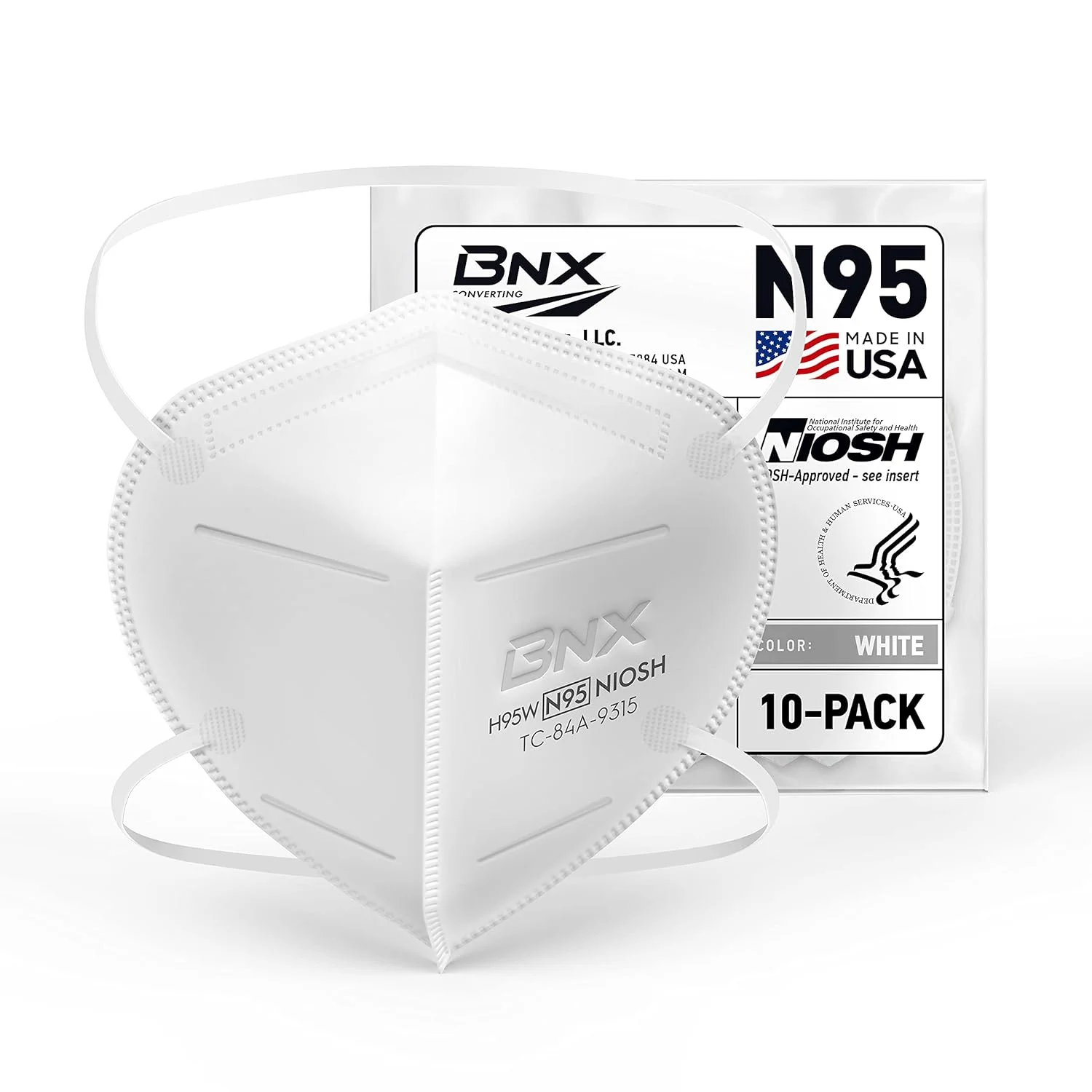
NIOSH N95 Particulate Respirator (20-pack)
NIOSH-certified N95 respirator filtering 95% of airborne particles. Minimum recommended protection for brief exposure during cleanup in rodent-infested areas.
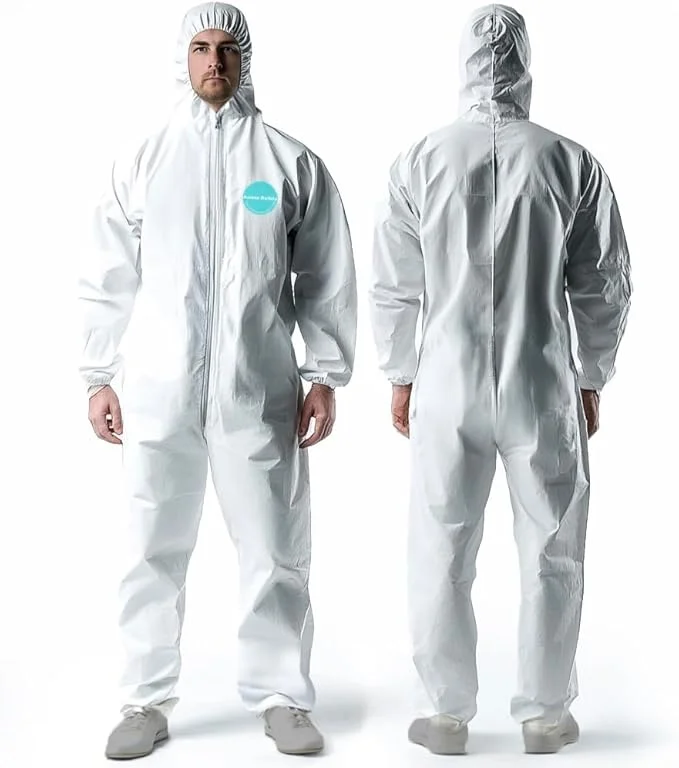
Microporous Disposable Coverall with Hood (3-pack)
Type 5/6 microporous full-body coverall with attached hood. Provides barrier protection against dry particles and light liquid splashes during hantavirus cleanup. Dispose after each use.
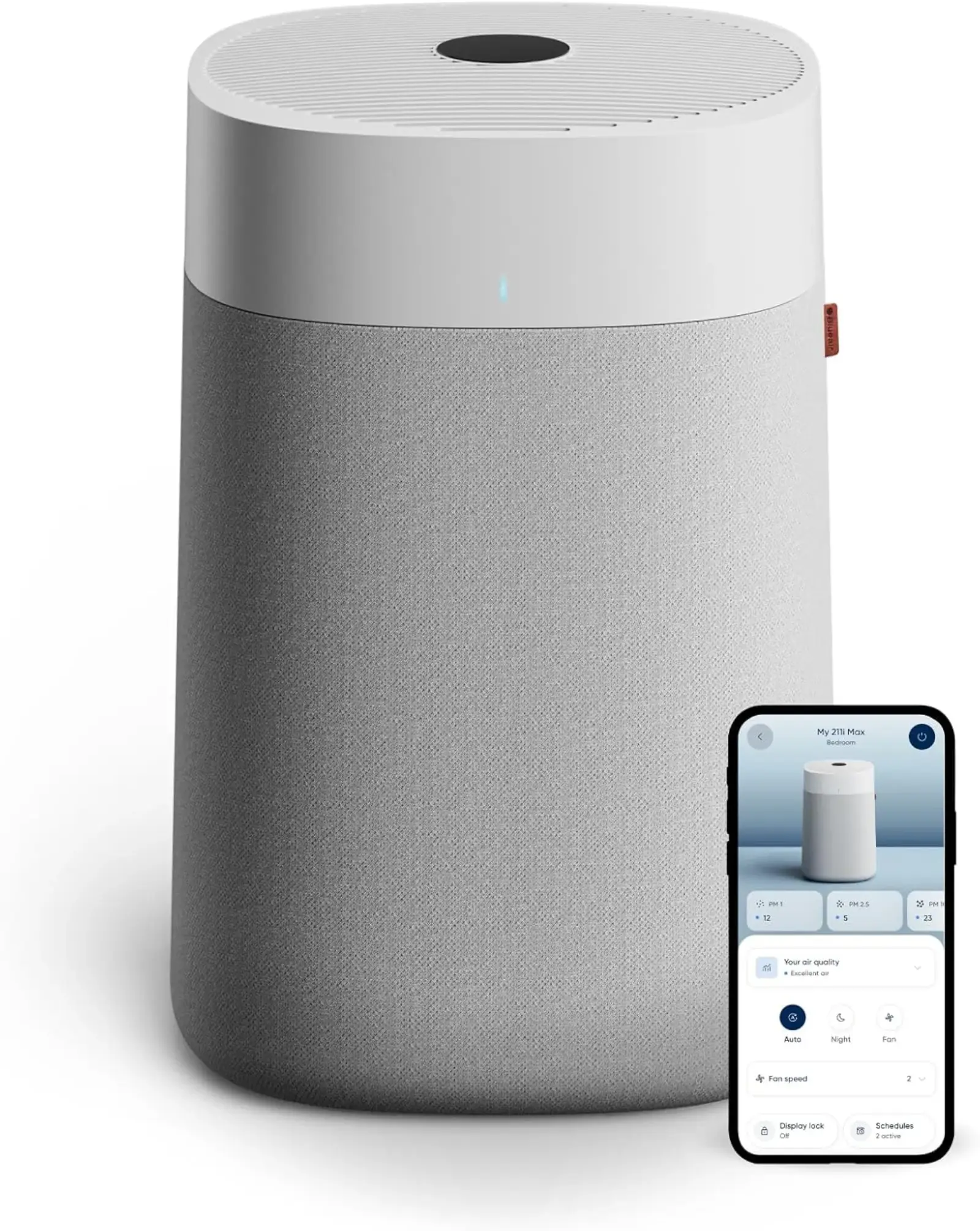
Blueair Blue Pure 211+ HEPA Air Purifier
HEPASilent dual-filtration for rooms up to 550 sq ft. Run during and after cleanup to reduce airborne particles. Captures 99.97% of particles 0.1 microns and larger.

Dyson Cordless Vacuum with HEPA Filtration
Whole-machine sealed HEPA filtration captures and contains 99.97% of particles. Unlike standard vacuums, the sealed system prevents aerosolized rodent excreta from escaping back into the air.
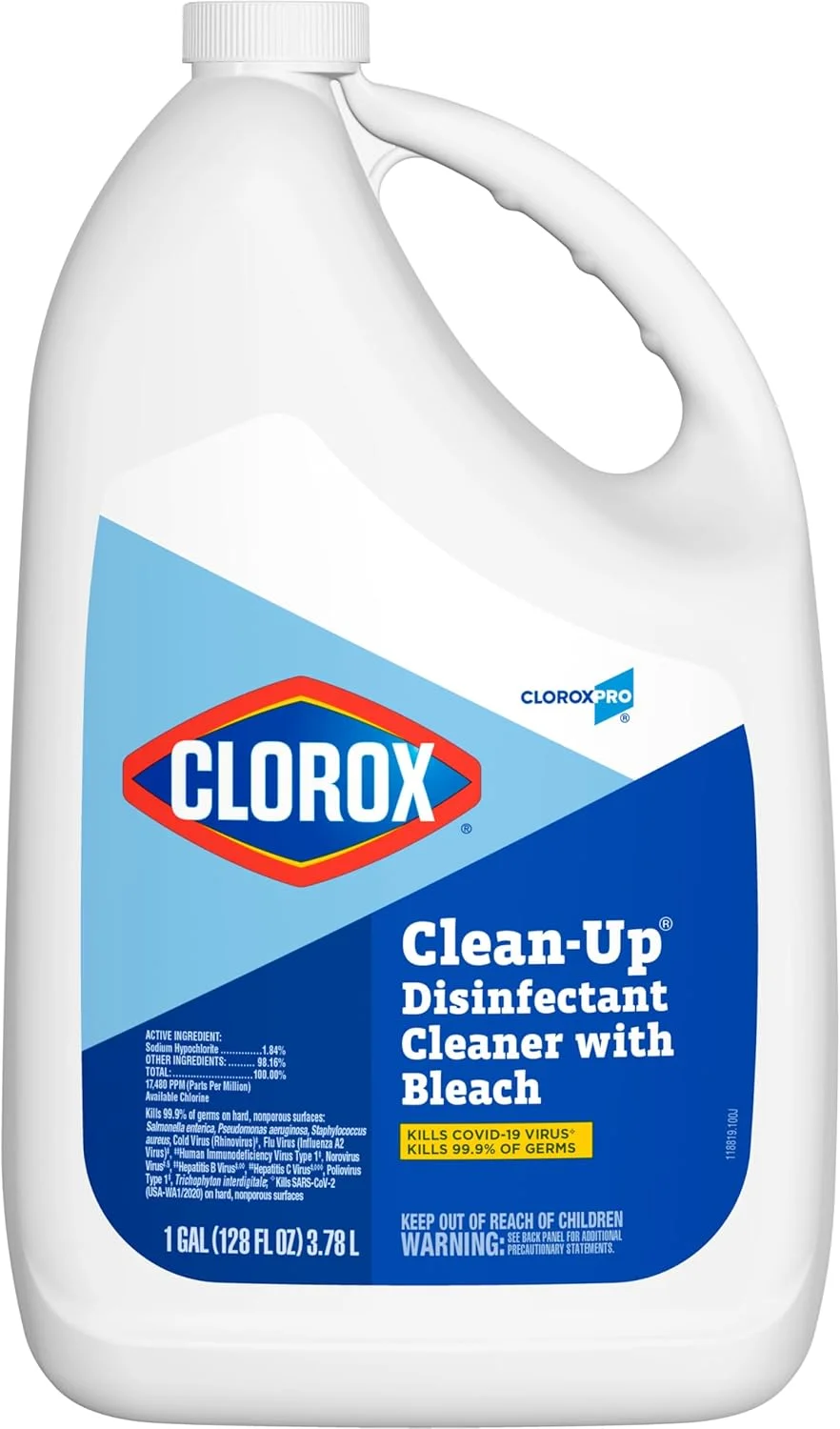
Clorox Commercial Clean-Up Disinfectant Cleaner
EPA-registered disinfectant cleaner. CDC recommends a 1:10 bleach-water solution for surfaces contaminated with rodent droppings, urine, or nesting material.
Frequently asked questions
Can I catch hantavirus from another person?
Can I catch hantavirus from a pet rat or hamster?
Can I get hantavirus from food?
Related articles
Hantavirus Prevention: How to Protect Your Home and Family
Prevent hantavirus by controlling rodents, sealing entry points, and following the safe cleanup protocol. Practical steps based on CDC and ECDC guidance.
PreventionRodent Control to Prevent Hantavirus Exposure
Effective rodent control combines exclusion, trapping, and habitat reduction. Learn what works, what does not, and how to keep rodents out long term.
BasicsWhat is Hantavirus? A Complete Guide
Hantaviruses are rodent-borne RNA viruses that cause two distinct human syndromes. Learn how transmission, geography, and severity differ between strains.