


Hantavirus illness moves through stages. Knowing the difference between the early flu-like phase and the severe phase that follows can change the outcome. This article explains the symptoms of HPS and HFRS, the typical timeline, and the warning signs that mean a hospital visit cannot wait.
Quick answer
Hantavirus disease usually starts 2 to 4 weeks after exposure with fever, fatigue, and muscle aches. After 4 to 10 days the disease shifts: HPS causes severe shortness of breath and shock, HFRS causes kidney injury and bleeding tendencies. Sudden respiratory distress after recent rodent exposure is a medical emergency.
Phase 1: early symptoms
The early phase of HPS and HFRS looks similar. Symptoms develop over a few hours to a day:
- Fever, often above 38.5 degrees Celsius
- Severe muscle aches, especially in the thighs, hips, back, and shoulders
- Fatigue
- Headache
- Chills
- Loss of appetite, nausea, and abdominal pain
Some patients experience dizziness or blurred vision. A subset reports a temporary skin rash or facial flushing.
These symptoms last 3 to 5 days. People may dismiss them as the flu, especially in winter months when influenza is circulating.
Phase 2: HPS pulmonary phase
Hantavirus pulmonary syndrome enters its critical phase 4 to 10 days after symptom onset. Warning signs:
- Shortness of breath, often sudden
- Cough, sometimes with frothy fluid
- A drowning-like feeling described by survivors
- Rapid heart rate, low blood pressure
- Bluish lips or fingertips
The pulmonary phase can progress to severe respiratory failure within 24 to 48 hours. The CDC reports a case fatality rate of about 38 percent for HPS in the United States. Patients who survive typically recover full lung function within weeks to months.
Phase 2: HFRS critical phase
Hemorrhagic fever with renal syndrome moves through five clinical phases. The textbook progression:
- Febrile phase, 3 to 7 days, with fever and muscle pain
- Hypotensive phase, hours to 2 days, with low blood pressure and shock
- Oliguric phase, 3 to 7 days, with reduced urine output and kidney injury
- Diuretic phase, days to weeks, with high urine output as kidneys recover
- Convalescent phase, weeks to months, with gradual return to baseline
In severe HFRS, hemorrhagic features include nosebleeds, gum bleeding, bruising, and internal bleeding. Severity varies by virus strain. Hantaan and Dobrava cause the most severe form. Puumala-induced nephropathia epidemica is usually milder.

When to see a doctor
Seek emergency care if you develop shortness of breath, especially if you have been near rodents or in a rodent-infested space in the past six weeks. Tell the doctor about the exposure. Hantavirus is rare and easy to miss without that context.
For HFRS-endemic regions in Europe and Asia, sudden severe back pain combined with reduced urine output also warrants urgent evaluation.
Recovery and aftercare
Hantavirus has no specific antiviral treatment that is widely approved. Care is supportive: oxygen and ventilation for HPS, fluid management and dialysis if needed for HFRS. Early hospital admission improves outcomes for both syndromes.
Most survivors recover fully, but post-illness fatigue and reduced exercise tolerance are common in the first months. Anyone recovering from HPS should expect a longer return to baseline lung function.
Recommended gear
Items frequently asked about in this context. Pricing on Amazon varies by region.
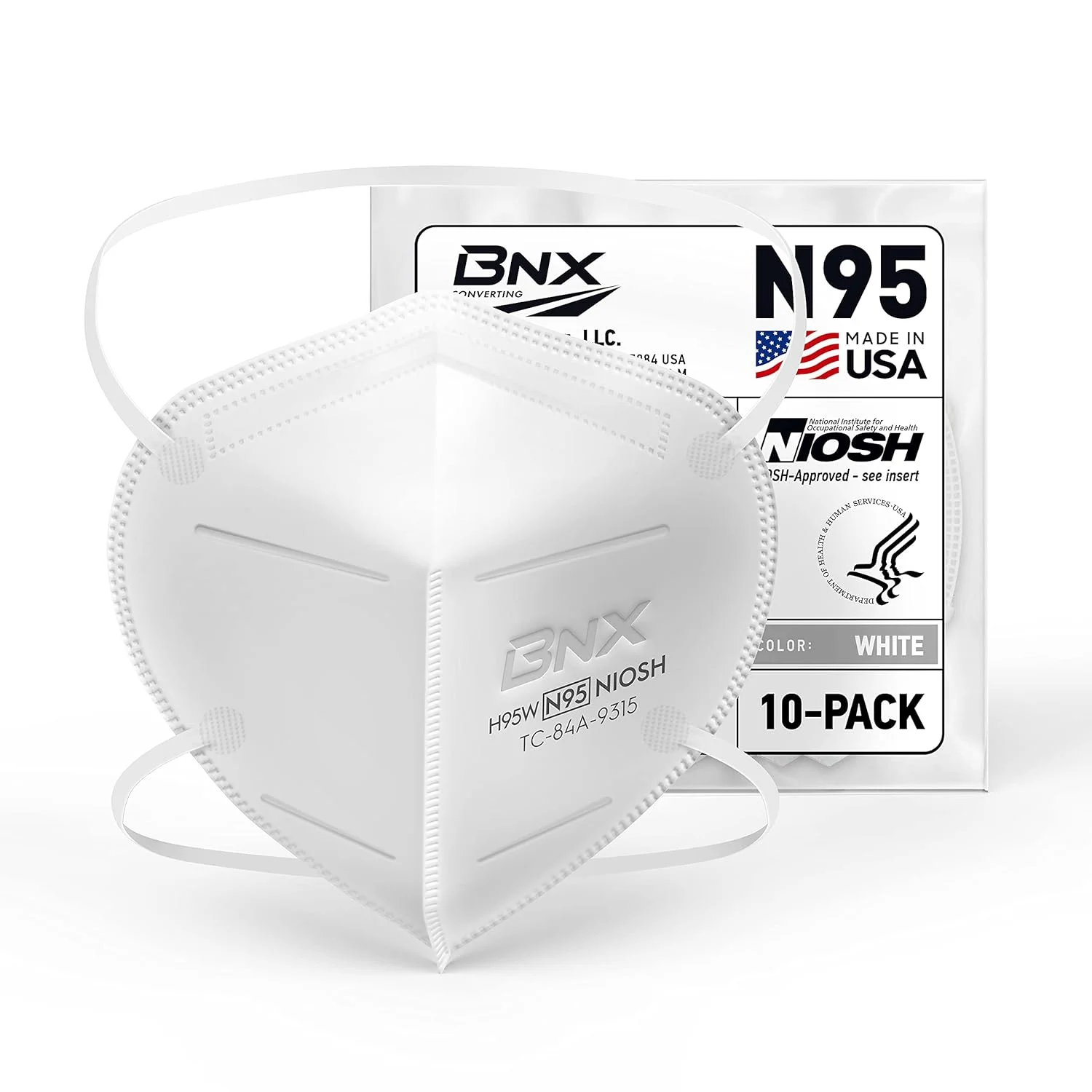
NIOSH N95 Particulate Respirator (20-pack)
NIOSH-certified N95 respirator filtering 95% of airborne particles. Minimum recommended protection for brief exposure during cleanup in rodent-infested areas.
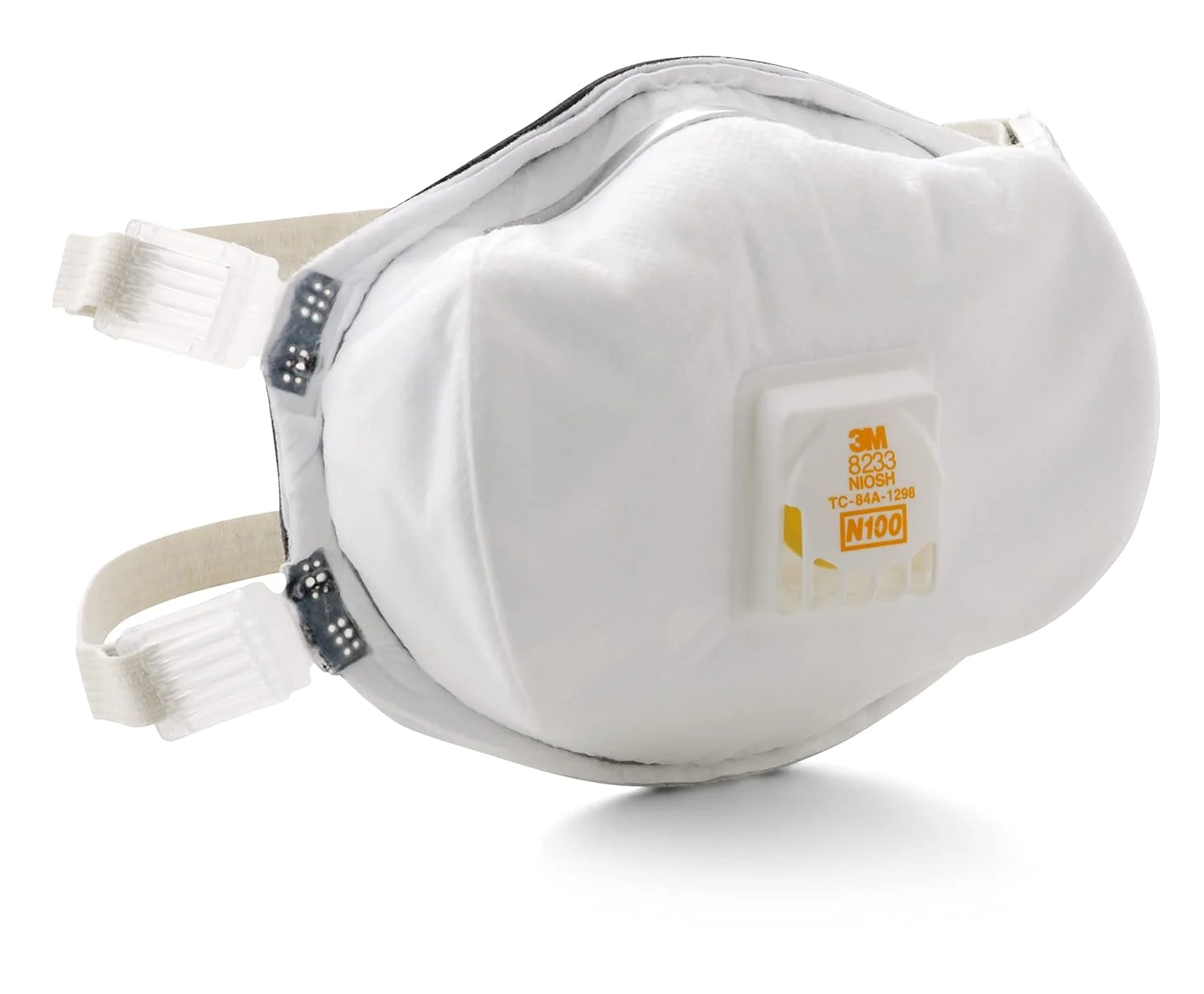
3M 8233 N100 Particulate Respirator
N100-rated respirator filtering 99.97% of airborne particles. Recommended for extended cleanup work or heavily contaminated spaces where hantavirus exposure risk is elevated.

Microporous Disposable Coverall with Hood (3-pack)
Type 5/6 microporous full-body coverall with attached hood. Provides barrier protection against dry particles and light liquid splashes during hantavirus cleanup. Dispose after each use.
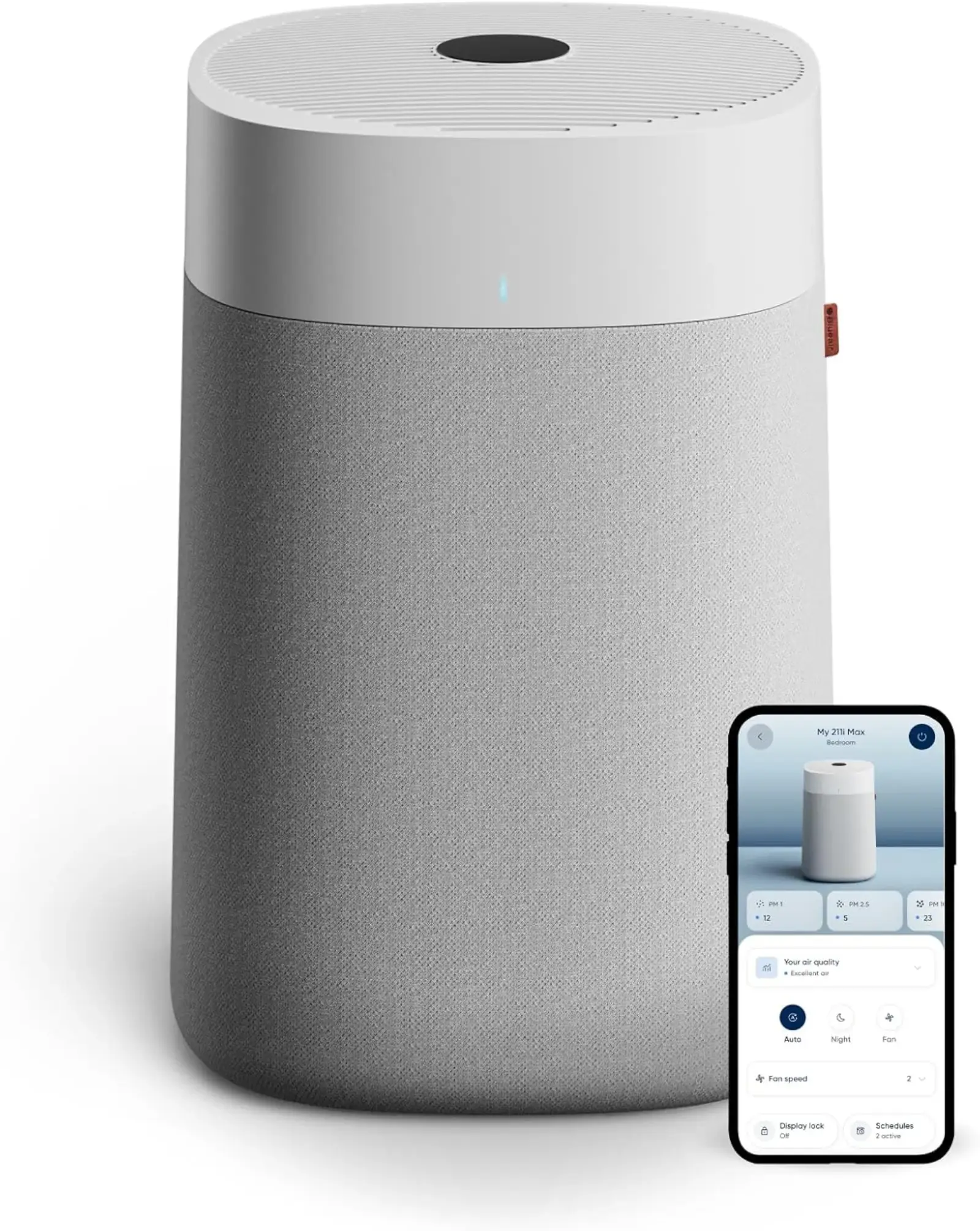
Blueair Blue Pure 211+ HEPA Air Purifier
HEPASilent dual-filtration for rooms up to 550 sq ft. Run during and after cleanup to reduce airborne particles. Captures 99.97% of particles 0.1 microns and larger.
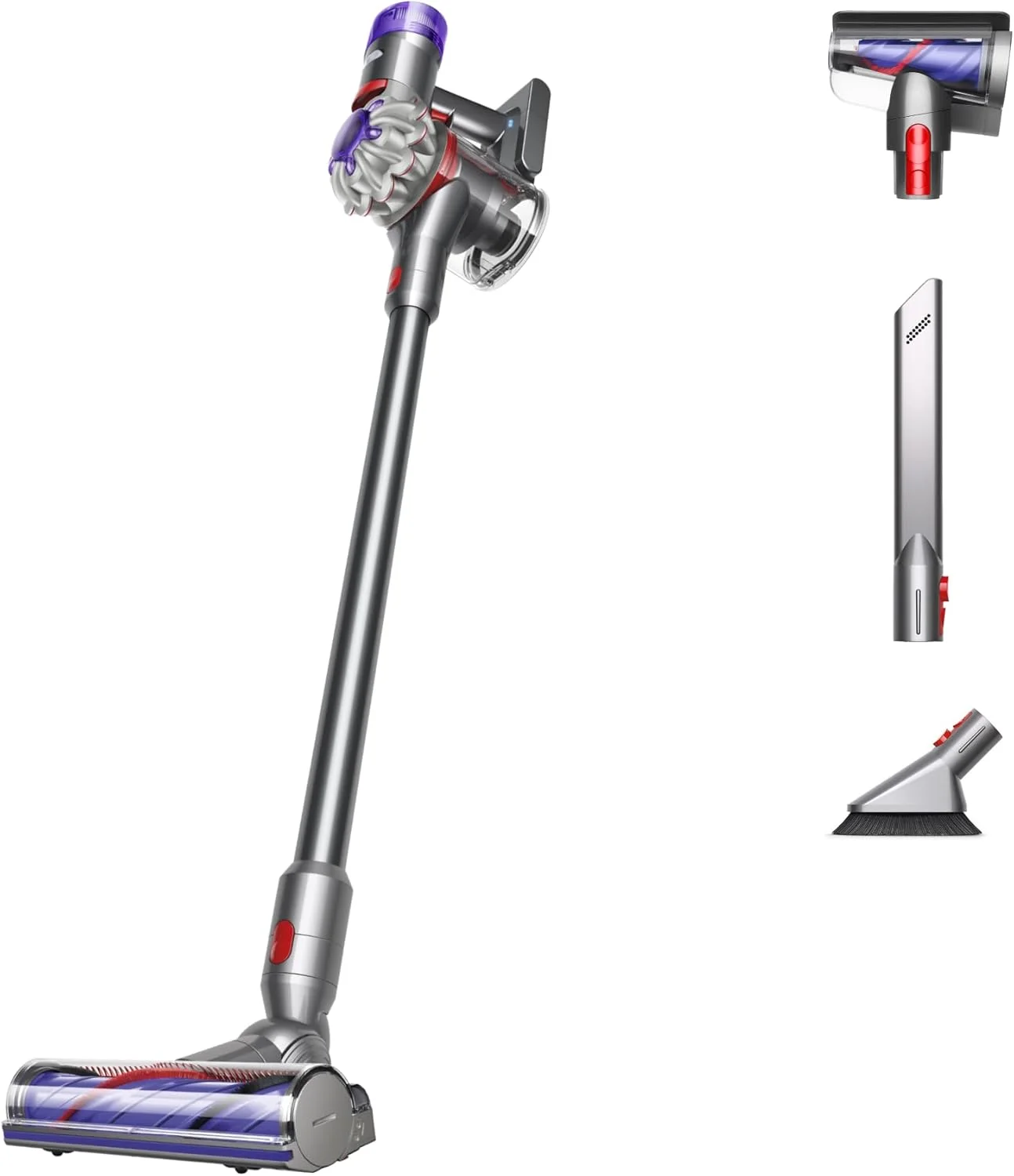
Dyson Cordless Vacuum with HEPA Filtration
Whole-machine sealed HEPA filtration captures and contains 99.97% of particles. Unlike standard vacuums, the sealed system prevents aerosolized rodent excreta from escaping back into the air.
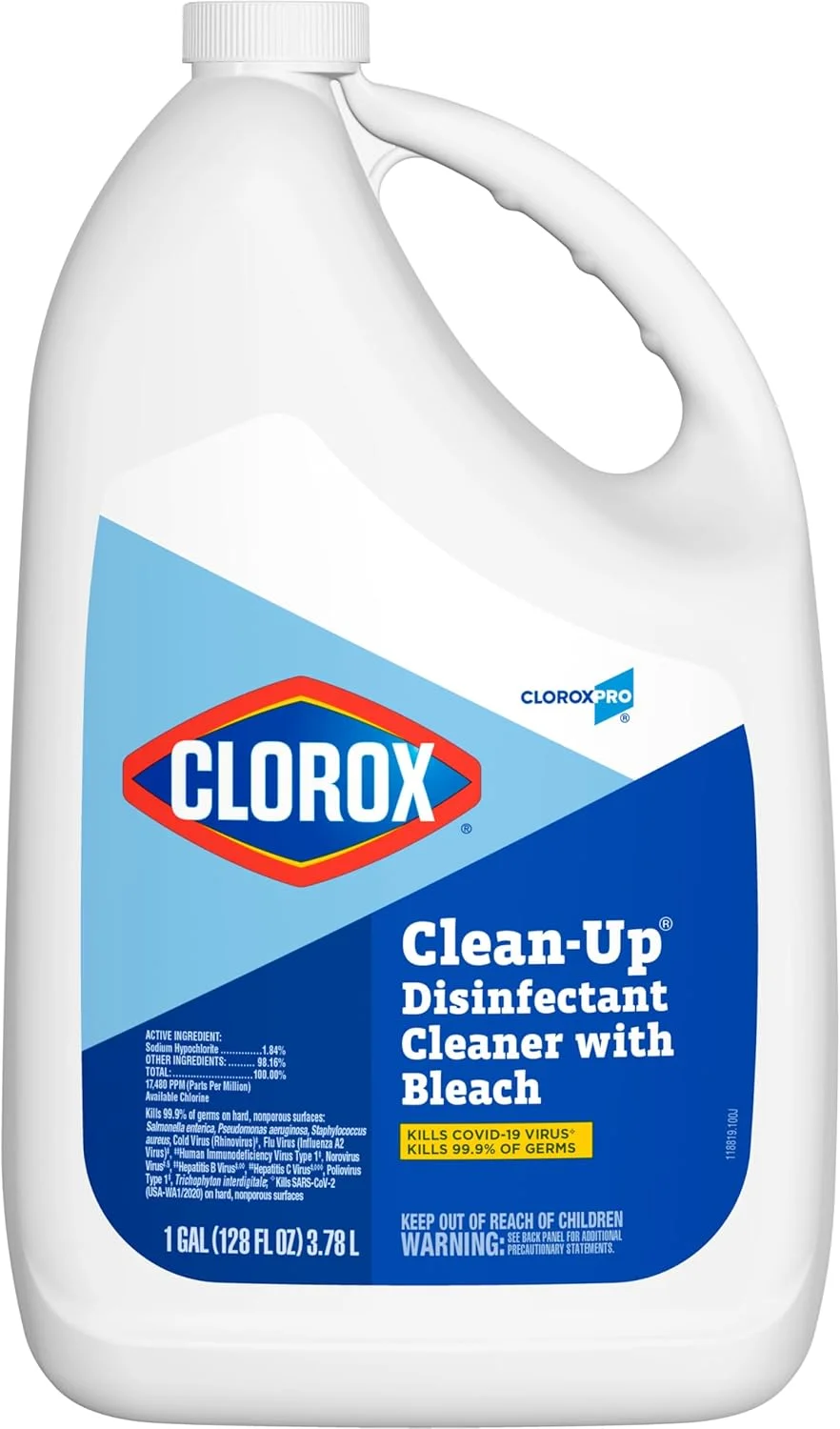
Clorox Commercial Clean-Up Disinfectant Cleaner
EPA-registered disinfectant cleaner. CDC recommends a 1:10 bleach-water solution for surfaces contaminated with rodent droppings, urine, or nesting material.
Frequently asked questions
How fast can hantavirus get serious?
Can hantavirus look like the flu?
What is nephropathia epidemica?
Related articles
What is Hantavirus? A Complete Guide
Hantaviruses are rodent-borne RNA viruses that cause two distinct human syndromes. Learn how transmission, geography, and severity differ between strains.
DiagnosisHantavirus Test and Diagnosis: ELISA, PCR, and Serology
Hantavirus is diagnosed by serology and RT-PCR. Learn which test to ask for, how soon antibodies appear, and what hospital labs actually run.
BasicsHPS vs HFRS: The Two Faces of Hantavirus Disease
Hantavirus pulmonary syndrome and hemorrhagic fever with renal syndrome look different but share a virus family. Compare strain, geography, and severity.