

Hantavirus prevention works because the virus only spreads through one chain: rodents to people. Break that chain at any link and the risk drops sharply. This guide covers exclusion, cleanup, and personal protection in detail.
Quick answer
Three principles prevent hantavirus exposure: keep rodents out of your home, never sweep or vacuum dry rodent excreta, and use respiratory protection plus disinfectant during cleanup. Spaces that have been closed up over winter are the highest-risk environments.
Step 1: keep rodents out
Most homes can be made rodent-resistant with structural work. Inspect the building from foundation to roofline:
- Seal any opening larger than 6 millimeters with steel wool, hardware cloth, or sheet metal
- Check around utility entries, dryer vents, and air conditioner penetrations
- Repair gaps in soffits, eaves, and ridge vents
- Cap chimneys with rodent-proof screens
- Trim tree branches and shrubs back from the building (3 meters minimum)
- Move firewood and yard debris at least 30 meters from the house
Inside, remove the food and shelter that attract rodents:
- Store grain, pet food, and bird seed in sealed metal or hard plastic containers
- Keep counters and floors clean of food residue
- Take out trash regularly and use sealed bins
- Eliminate clutter in basements, attics, and storage rooms
Step 2: trap, do not poison if you can avoid it
Snap traps and live traps are more controllable than rodenticides. Rodenticides risk secondary poisoning of pets and wildlife and can result in dead rodents inside walls, where they continue to release contaminated material.
Place snap traps along walls in active rodent paths, baited with peanut butter or oatmeal. Check daily. When disposing of trapped rodents, follow the same protective measures as for cleanup (gloves, respirator, double-bag).
Step 3: the safe cleanup protocol
Before entering a closed-up space with signs of rodent activity:
- Open doors and windows for at least 30 minutes to ventilate
- Wait outside while the space airs out
When you enter to clean:
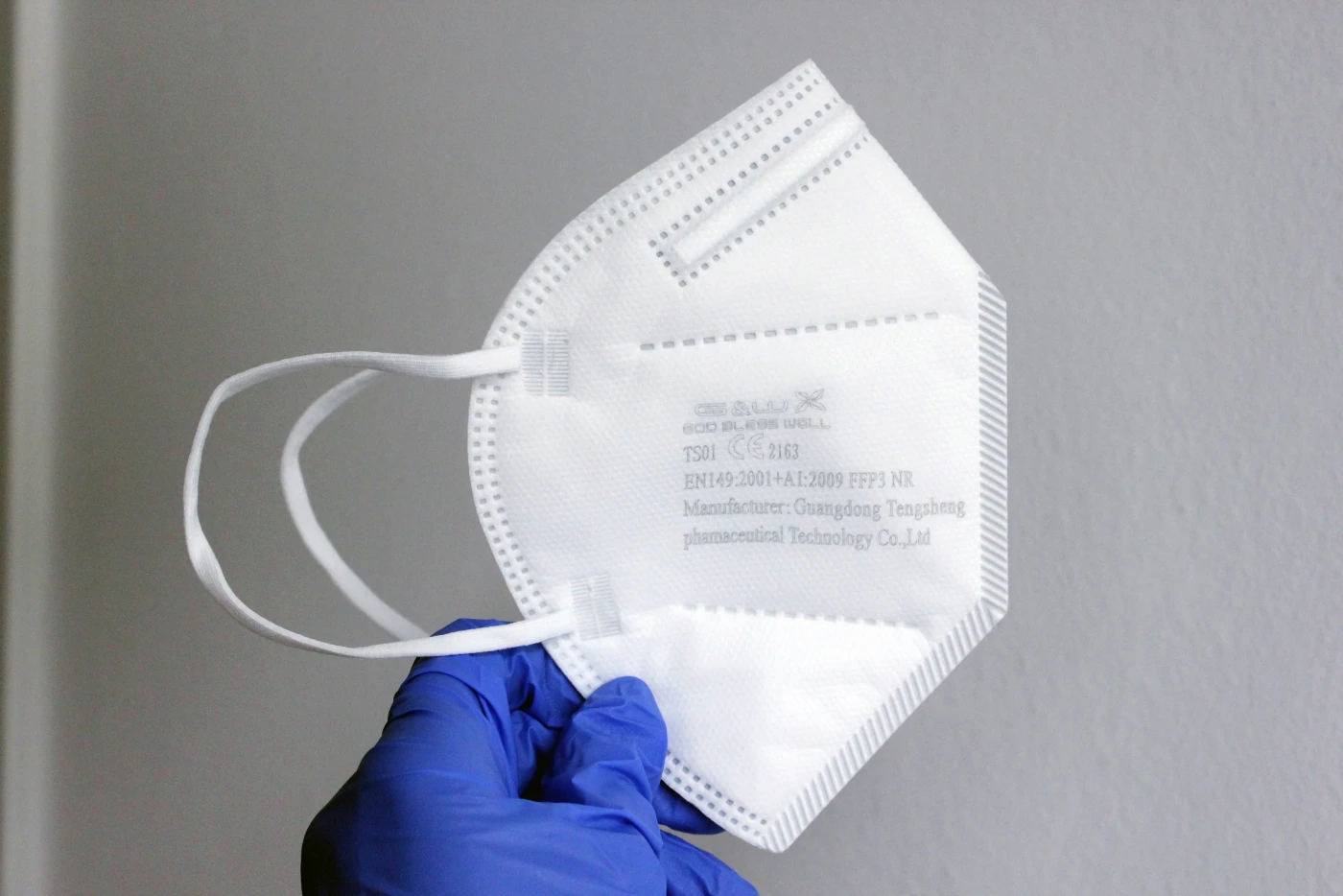
- Wear an FFP3 or N95 respirator that fits properly. A surgical mask is not adequate
- Wear disposable nitrile or rubber gloves
- Wear long sleeves, long pants, and closed shoes (or shoe covers)
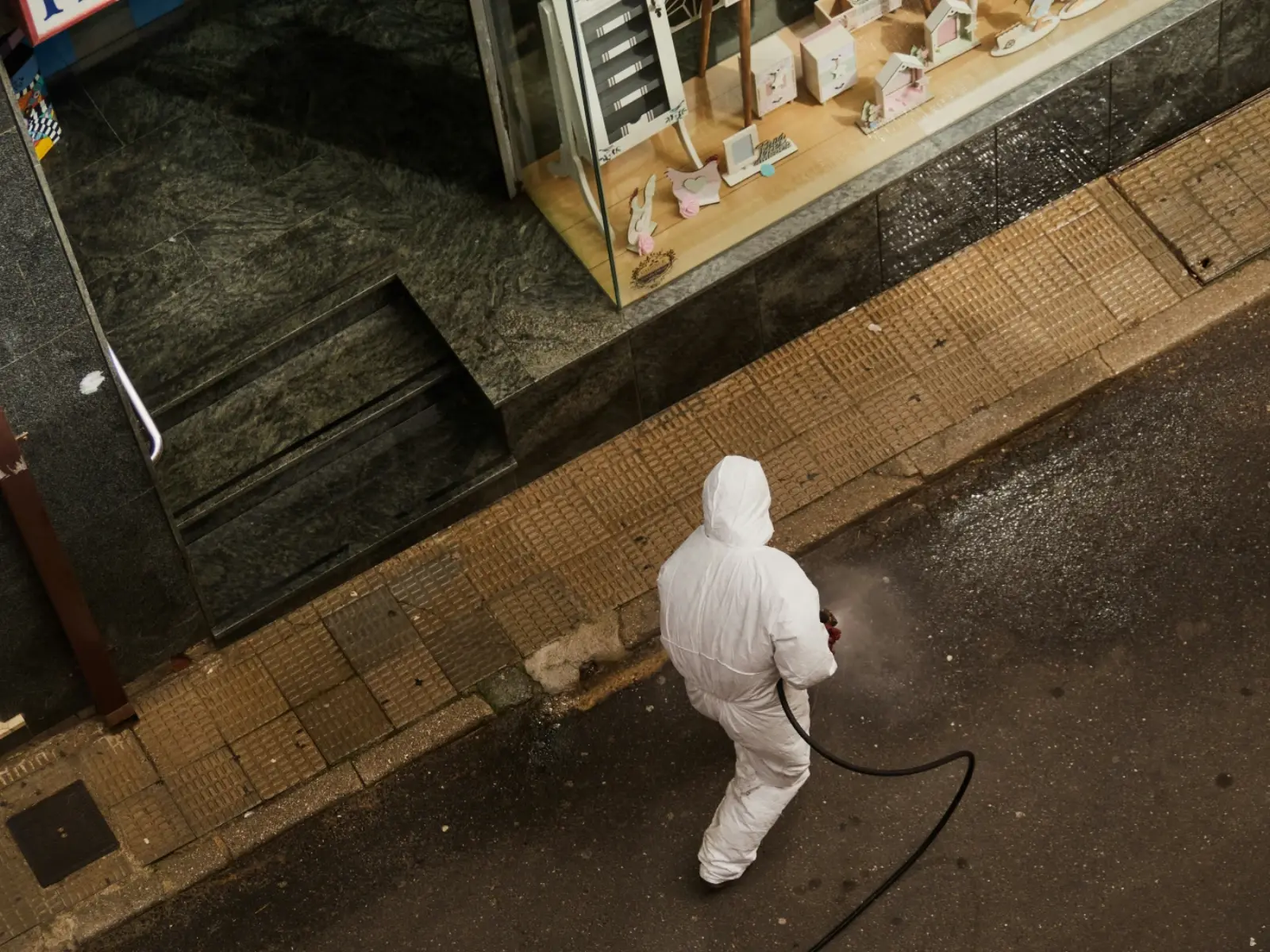
- Mix a 1:10 solution of household bleach in water (for example, 150 ml bleach per 1.5 liters water), or use an EPA-registered disinfectant
- Spray droppings, urine spots, and nesting materials thoroughly. Let sit for 5 minutes
- Wipe up with paper towels or rags. Place all used materials in a sealed plastic bag
- Clean the floor and any contaminated surfaces with the same solution
- Double-bag all waste, including disposable PPE, and place in an outdoor garbage bin
- Wash hands thoroughly with soap and water
Never sweep or vacuum dry rodent material. Standard household vacuums do not have HEPA filtration and will spread the virus into the air.
Step 4: personal practices
Some habits reduce risk without requiring any PPE:
- Wash hands after gardening, woodworking, camping, or any work in dusty outbuildings
- Inspect tents, camping gear, and storage boxes before use after winter storage
- Discard food that may have been gnawed on or contaminated
- Avoid handling sick or dead rodents with bare hands
Step 5: prevent in cabins, sheds, and rural buildings
Cabins, sheds, and stored vehicles that have been closed for months are higher risk than homes in regular use. Before re-entering:
- Air the space for at least 30 minutes
- Approach with PPE in place
- Clean before bringing food, bedding, or children inside
What about pets?
Cats and dogs do not transmit hantavirus. They can, however, bring infected rodents into the home. Keep pet food sealed indoors and dispose of any rodents your pet brings in using gloves and disinfectant.
When prevention is not enough
If you are exposed to a rodent-infested space without protection, monitor yourself for symptoms for the next six weeks. Fever, muscle aches, and especially shortness of breath warrant medical attention. Tell the clinician about the exposure.
Recommended gear
Items frequently asked about in this context. Pricing on Amazon varies by region.
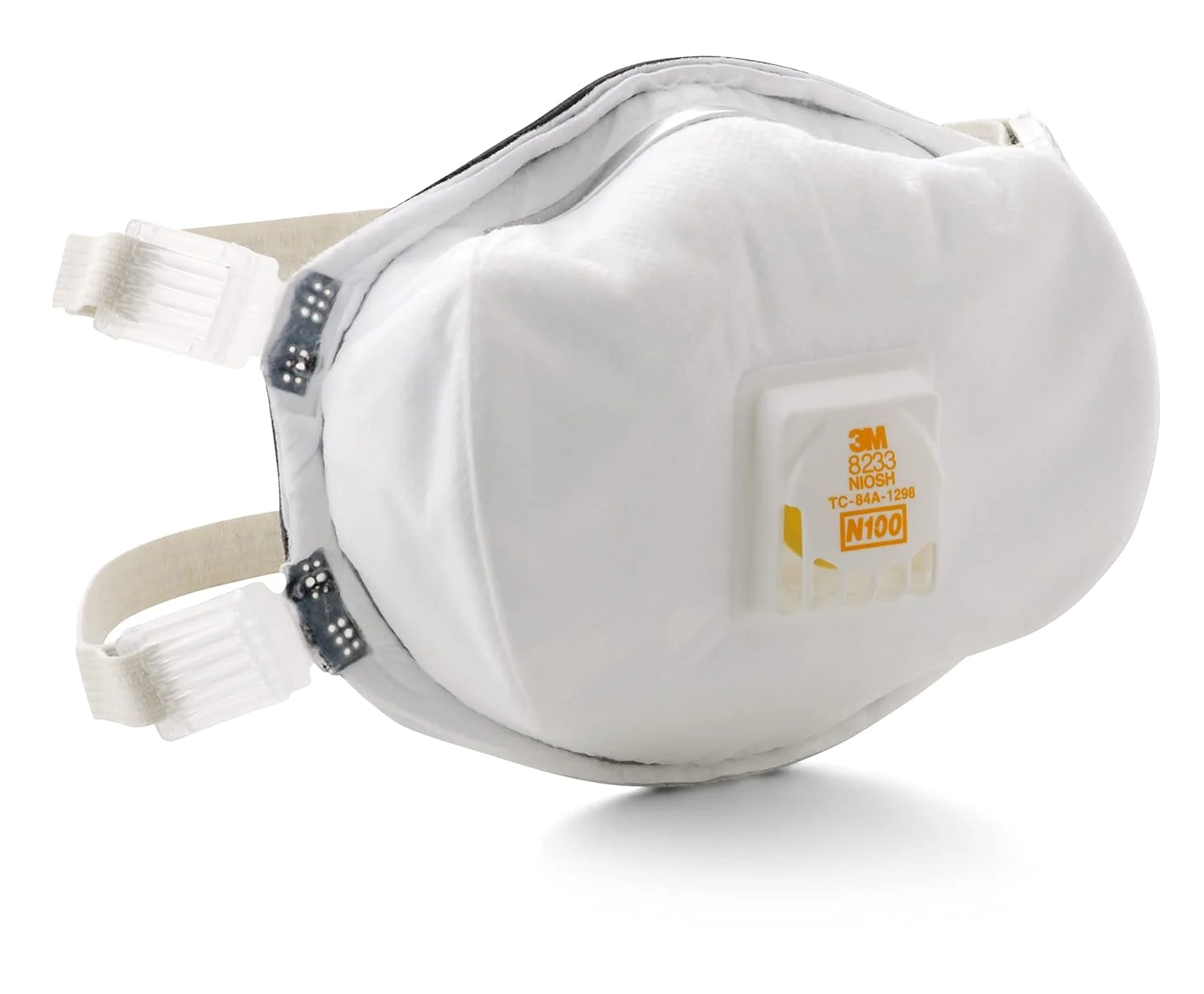
3M 8233 N100 Particulate Respirator
N100-rated respirator filtering 99.97% of airborne particles. Recommended for extended cleanup work or heavily contaminated spaces where hantavirus exposure risk is elevated.
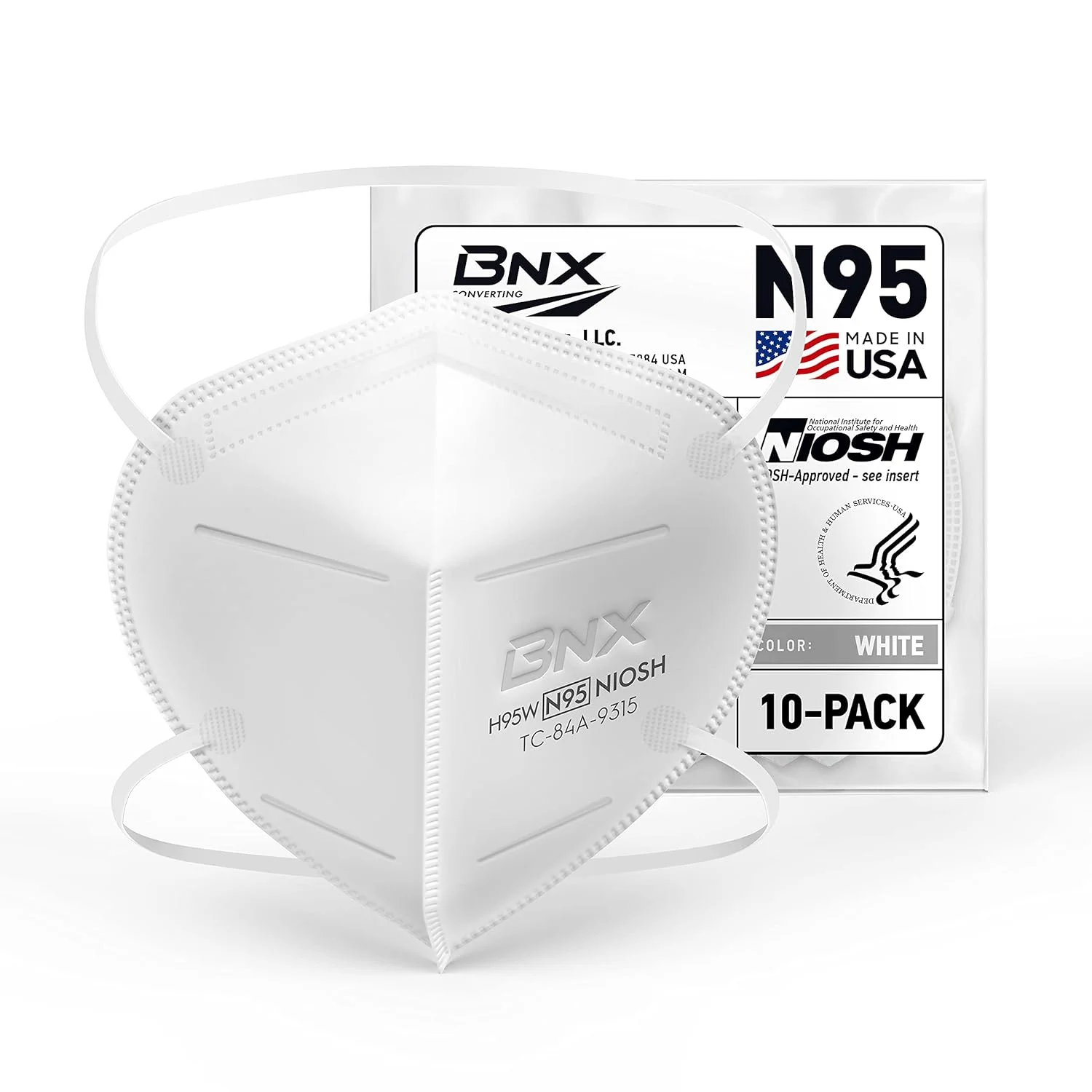
NIOSH N95 Particulate Respirator (20-pack)
NIOSH-certified N95 respirator filtering 95% of airborne particles. Minimum recommended protection for brief exposure during cleanup in rodent-infested areas.
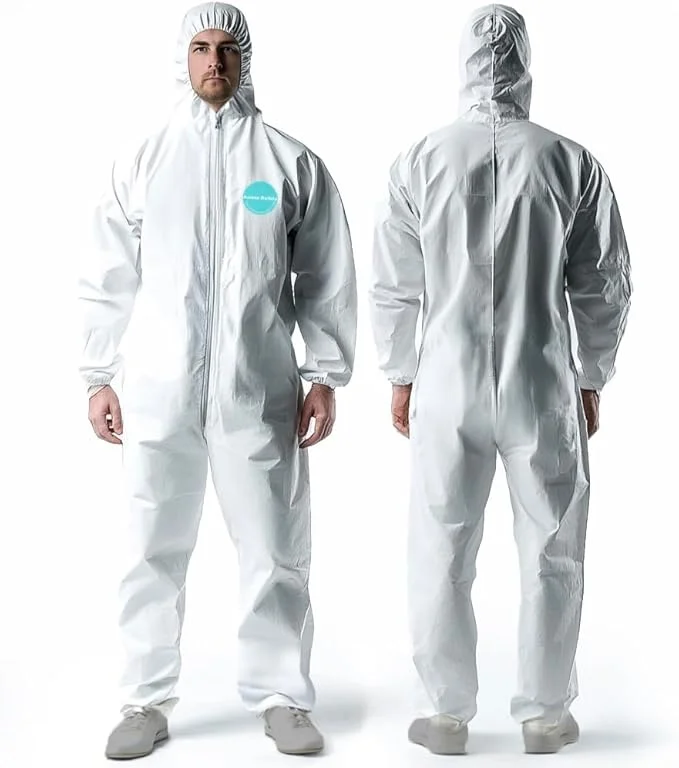
Microporous Disposable Coverall with Hood (3-pack)
Type 5/6 microporous full-body coverall with attached hood. Provides barrier protection against dry particles and light liquid splashes during hantavirus cleanup. Dispose after each use.
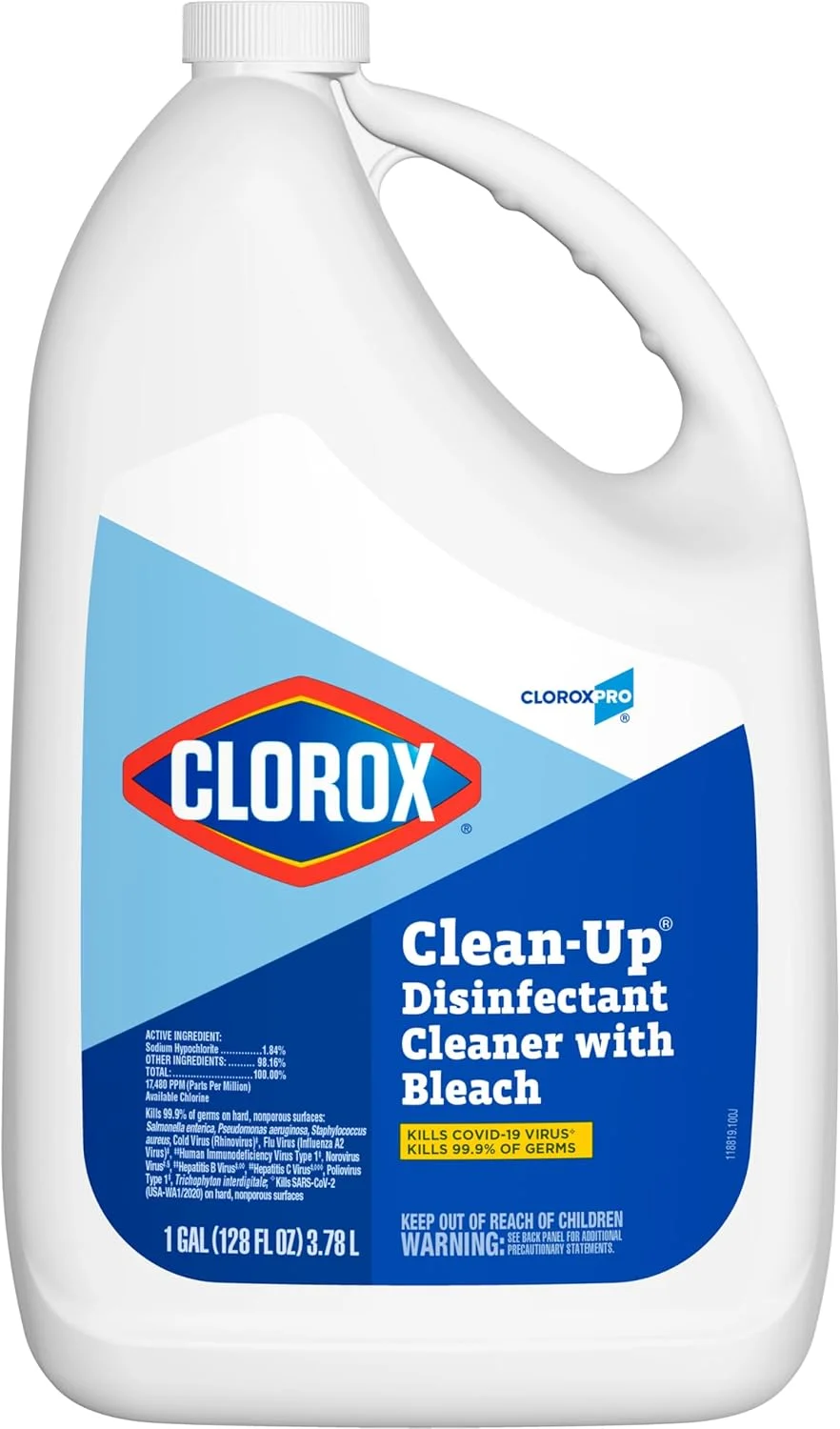
Clorox Commercial Clean-Up Disinfectant Cleaner
EPA-registered disinfectant cleaner. CDC recommends a 1:10 bleach-water solution for surfaces contaminated with rodent droppings, urine, or nesting material.
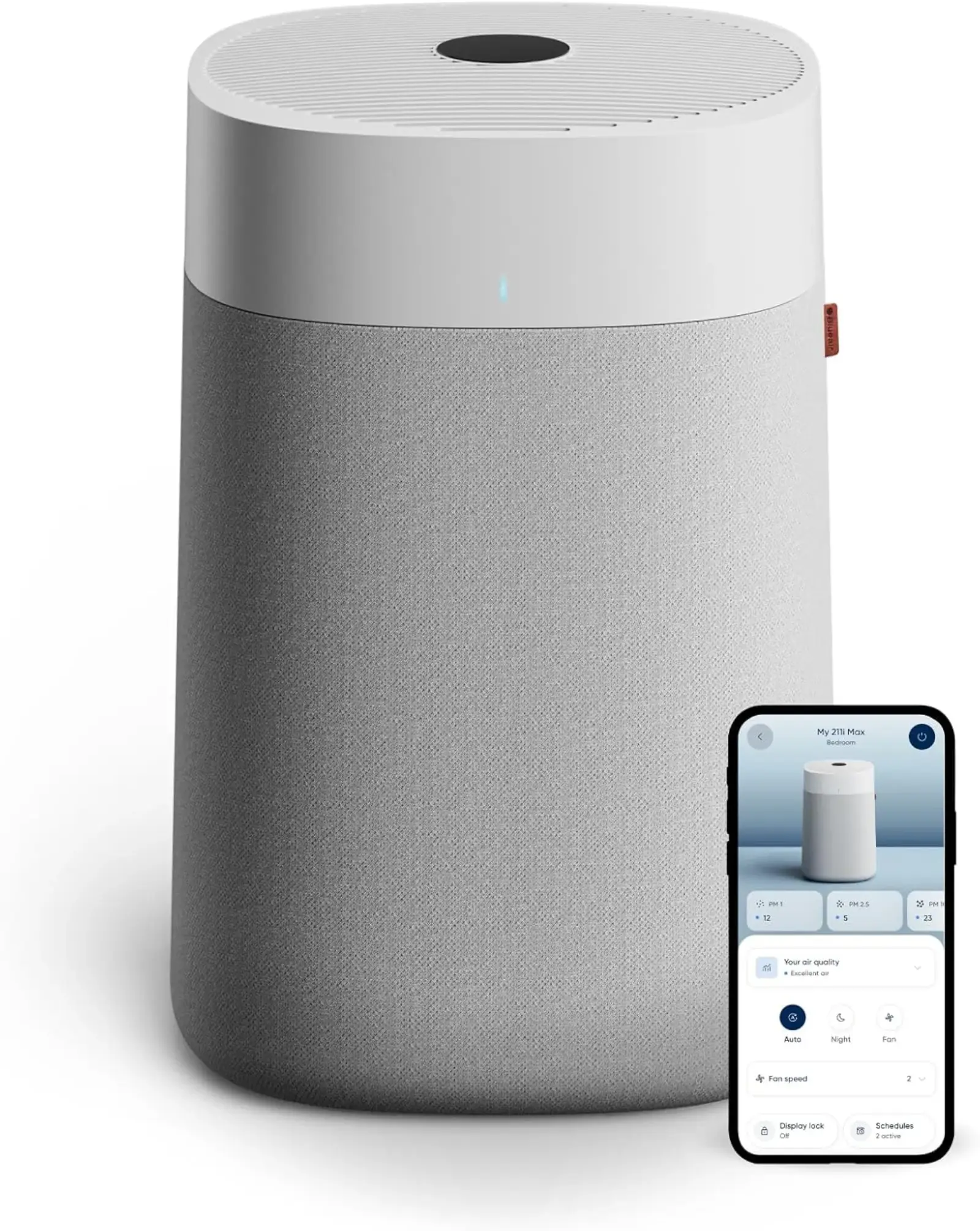
Blueair Blue Pure 211+ HEPA Air Purifier
HEPASilent dual-filtration for rooms up to 550 sq ft. Run during and after cleanup to reduce airborne particles. Captures 99.97% of particles 0.1 microns and larger.

Dyson Cordless Vacuum with HEPA Filtration
Whole-machine sealed HEPA filtration captures and contains 99.97% of particles. Unlike standard vacuums, the sealed system prevents aerosolized rodent excreta from escaping back into the air.
Frequently asked questions
Can I just sweep up mouse droppings if I wear a mask?
Are ultrasonic rodent repellers effective?
What about mothballs and natural repellents?
Related articles
Rodent Control to Prevent Hantavirus Exposure
Effective rodent control combines exclusion, trapping, and habitat reduction. Learn what works, what does not, and how to keep rodents out long term.
TransmissionHow Hantavirus Spreads: Transmission Routes Explained
Hantavirus spreads through aerosolized rodent excreta. Person to person spread is rare and limited to one strain. Learn the real exposure pathways.
BasicsWhat is Hantavirus? A Complete Guide
Hantaviruses are rodent-borne RNA viruses that cause two distinct human syndromes. Learn how transmission, geography, and severity differ between strains.