

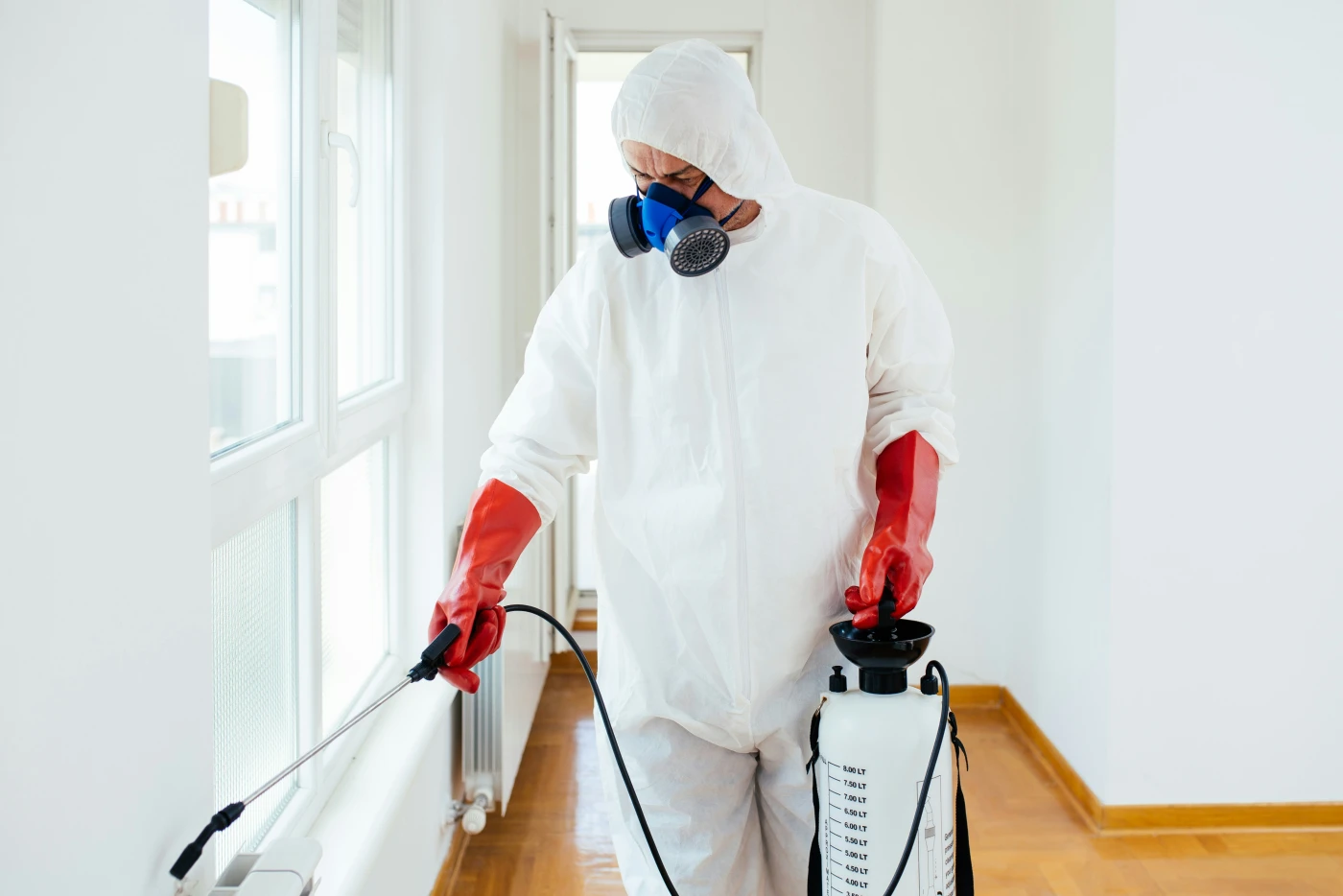
Rodent control done well is rarely a single intervention. It is a sustained program of exclusion, trapping, and habitat management. This article walks through the methods that actually work and the ones that look effective but are not.
Quick answer
The reliable methods are sealing entry points, eliminating food and shelter, and trapping resident rodents. Repellers, mothballs, and natural sprays do not control infestations. Rodenticides should be a last resort and not a first move because of secondary effects.
Step 1: assess the situation
Look for signs of rodent activity:
- Droppings (mouse droppings are 3 to 6 mm, dark, with pointed ends)
- Gnaw marks on wood, plastic, food packaging
- Greasy rub marks along walls where rodents travel
- Nests of shredded paper, fabric, or insulation in quiet spaces
- Scratching or scurrying noises in walls or attics
Note where activity is concentrated. Rodents follow predictable paths along walls, behind appliances, and under floors.
Step 2: exclusion
Mice can squeeze through openings as small as 6 mm. Rats can get through openings as small as 12 mm. Inspect every potential entry point:
- Gaps around foundation and sill plate
- Utility entries (water, gas, electrical, cable)
- Dryer vents and bathroom exhausts
- Soffits, eaves, ridge vents
- Garage door bottom seals
- Door sweeps and weather stripping
- Crawlspace vents and access doors
Seal small holes with steel wool packed tight, covered with caulk or foam. Larger gaps need hardware cloth (6 mm mesh) or sheet metal. Fill holes around utility lines with copper mesh and expanding foam.
Doors and windows need tight seals. A 6 mm gap under a door is a highway for mice.
Step 3: remove food and shelter
Without food and shelter, rodents do not stay. Inside:
- Move pet food and bird seed into sealed metal or hard plastic containers
- Avoid leaving pet food out overnight
- Clean kitchen counters and floors at the end of the day
- Use sealed trash bins, both inside and outside
- Move stored boxes off the floor and onto shelves with space underneath for visibility
- Reduce clutter in basements, attics, and storage rooms
Outside:
- Move firewood at least 30 meters from the house and elevate it 30 cm off the ground
- Trim shrubs and tree branches back from the building (3 meters minimum)
- Remove debris piles, old equipment, and unused vehicles where possible
- Keep grass cut short and remove brush along foundations
- Repair leaky outdoor faucets that provide water sources

Step 4: trapping
Snap traps remain the most effective single tool for indoor mouse control. Place 6 to 12 traps along walls in identified rodent paths, baited with peanut butter or oatmeal. Check daily. Reset and reposition until activity stops.
For rats, larger snap traps or bait stations are needed. Live traps are a useful alternative where lethal control is not possible. Released rodents must be transported far enough that they do not return, which in practice means at least 1 to 2 km in habitat away from buildings.
For all trap types, follow the cleanup protocol: gloves, respirator, disinfectant. Double-bag carcasses and dispose in an outdoor bin.
Step 5: rodenticides only as last resort
Rodenticides have real downsides:
- Secondary poisoning kills cats, dogs, raptors, and scavengers that eat poisoned rodents
- Rodents often die inside walls, where decomposition continues to release contaminated material
- Increasing rodent resistance to several active ingredients
If rodenticides are necessary, use enclosed bait stations placed where children, pets, and wildlife cannot access them. Consider hiring a licensed pest professional rather than using consumer products.
What does not work reliably
Several products are sold for rodent control with little supporting evidence:
- Ultrasonic repellers: field studies show inconsistent results and rodents habituate quickly
- Mothballs: not approved for rodent control and do not deter rodents reliably
- Peppermint oil and other natural sprays: short-term effects in controlled tests but do not solve infestations
- Outdoor cats: reduce mouse activity in some settings but bring rodents into homes and kill native wildlife disproportionately
Treat any of these as supplements, not as a primary method.
Maintain over time
Rodent populations rebuild quickly when conditions allow. Keep the exclusion intact. Inspect entry points seasonally. Replace door sweeps and weather stripping when worn. The goal is to make the building permanently uninviting.
Recommended gear
Items frequently asked about in this context. Pricing on Amazon varies by region.
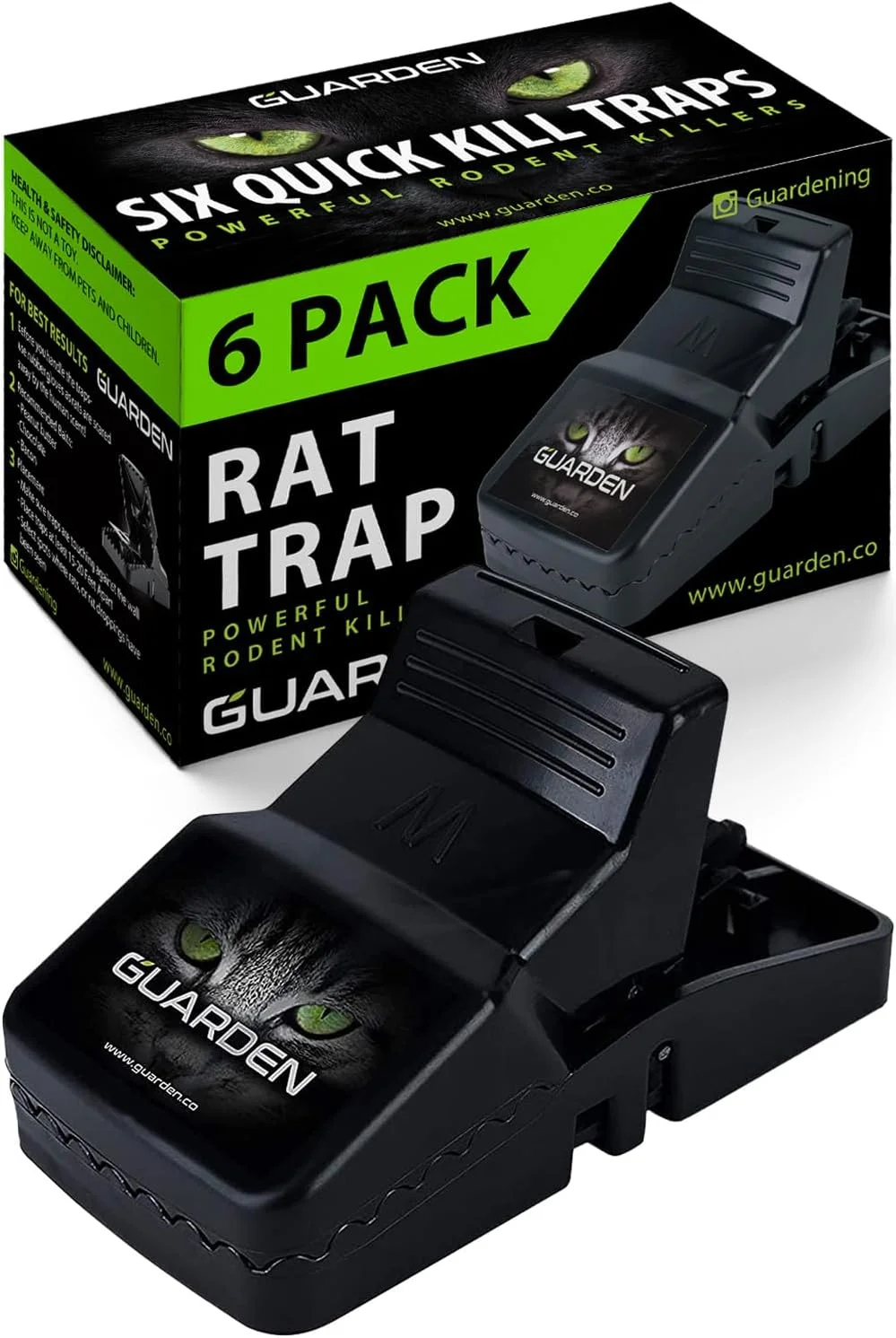
Heavy-Duty Snap Rat Trap (6-pack)
High-sensitivity snap traps for mice and rats. Place along walls in active rodent paths. Reusable, easy to set without direct bait contact, and more effective than glue traps.
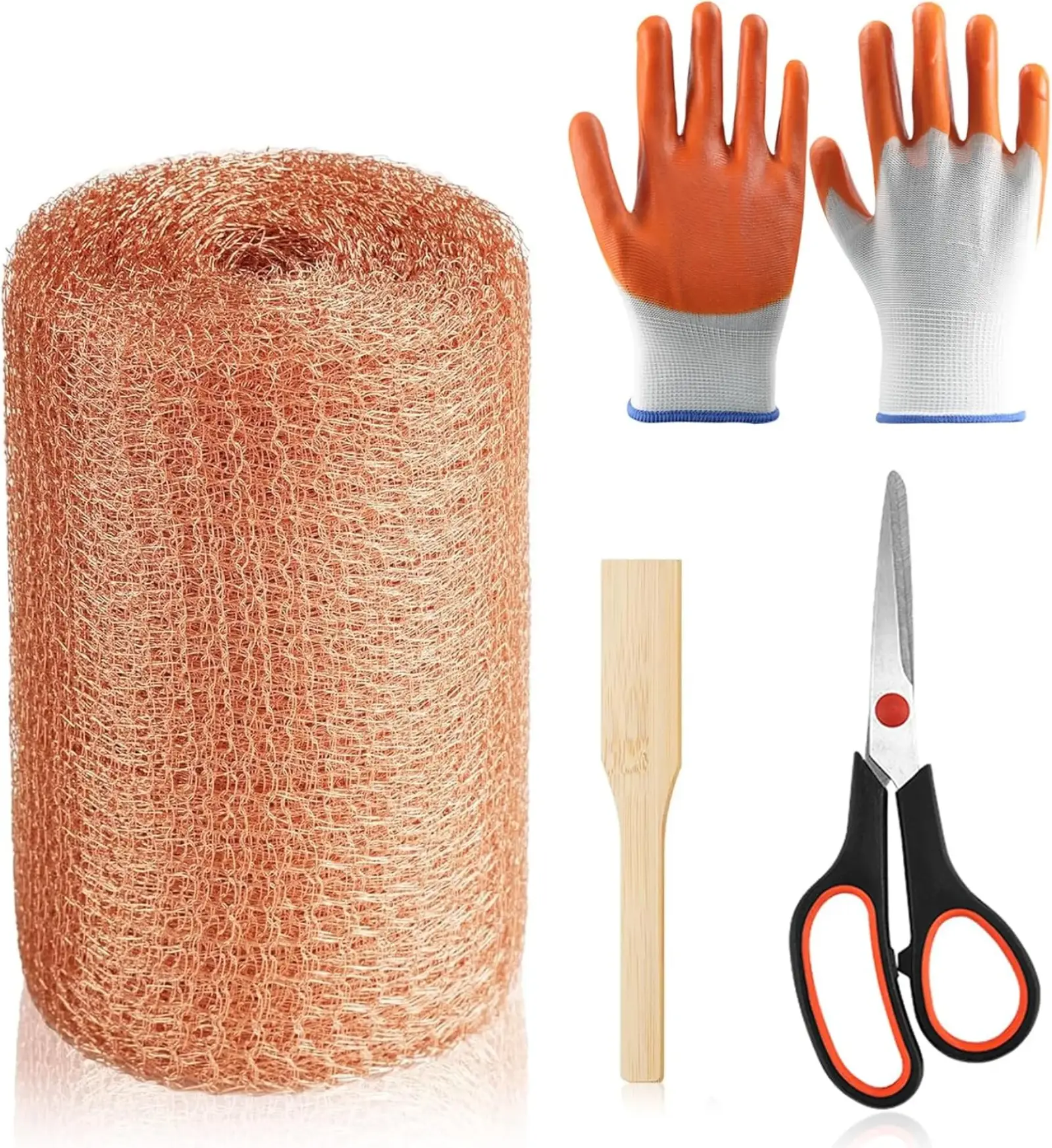
Copper Mesh Rodent Exclusion Screen
Corrosion-resistant copper mesh for permanently sealing gaps and entry points. Rodents cannot chew through copper. Cut to size, pack into openings, and secure with caulk.
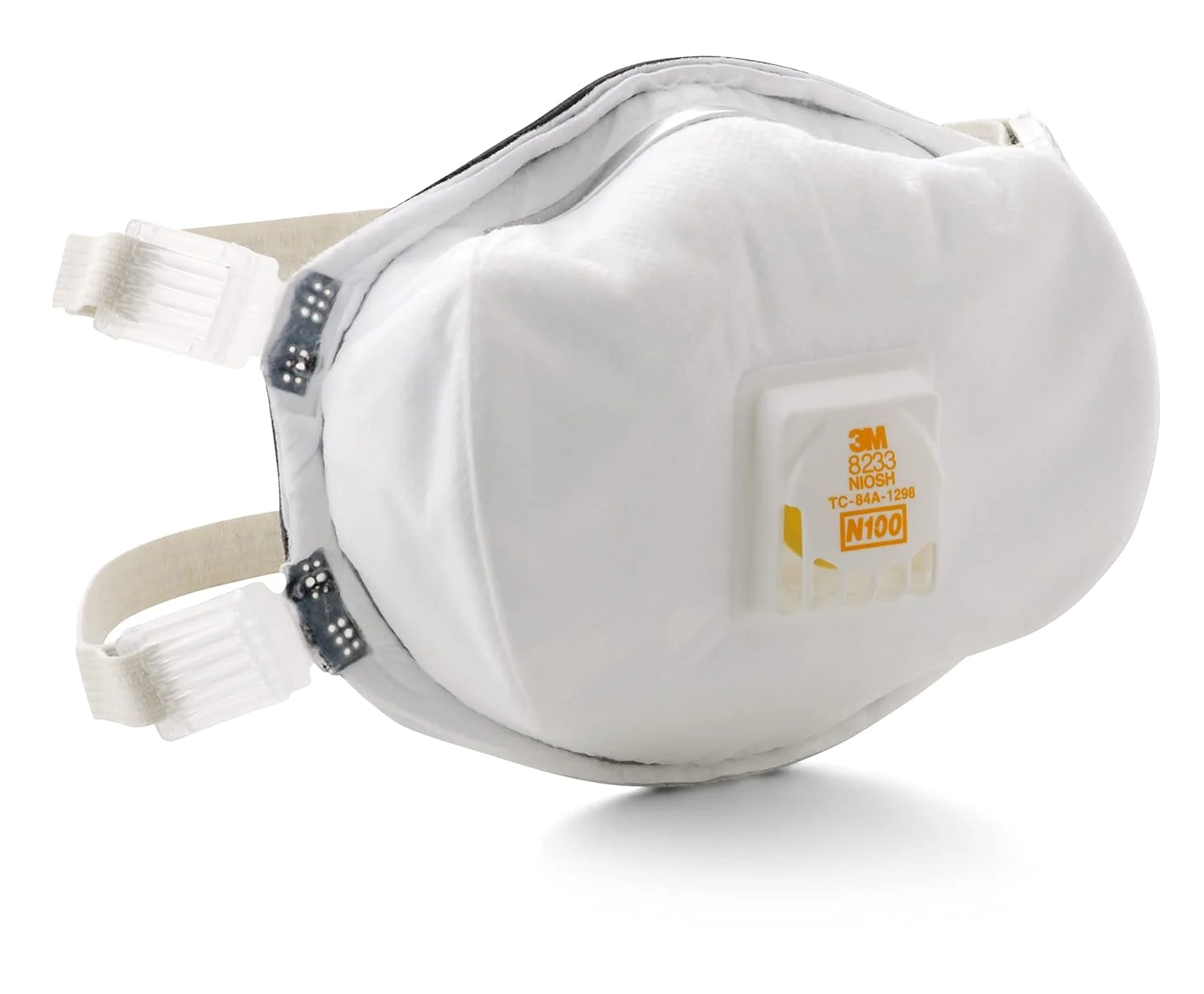
3M 8233 N100 Particulate Respirator
N100-rated respirator filtering 99.97% of airborne particles. Recommended for extended cleanup work or heavily contaminated spaces where hantavirus exposure risk is elevated.

Microporous Disposable Coverall with Hood (3-pack)
Type 5/6 microporous full-body coverall with attached hood. Provides barrier protection against dry particles and light liquid splashes during hantavirus cleanup. Dispose after each use.
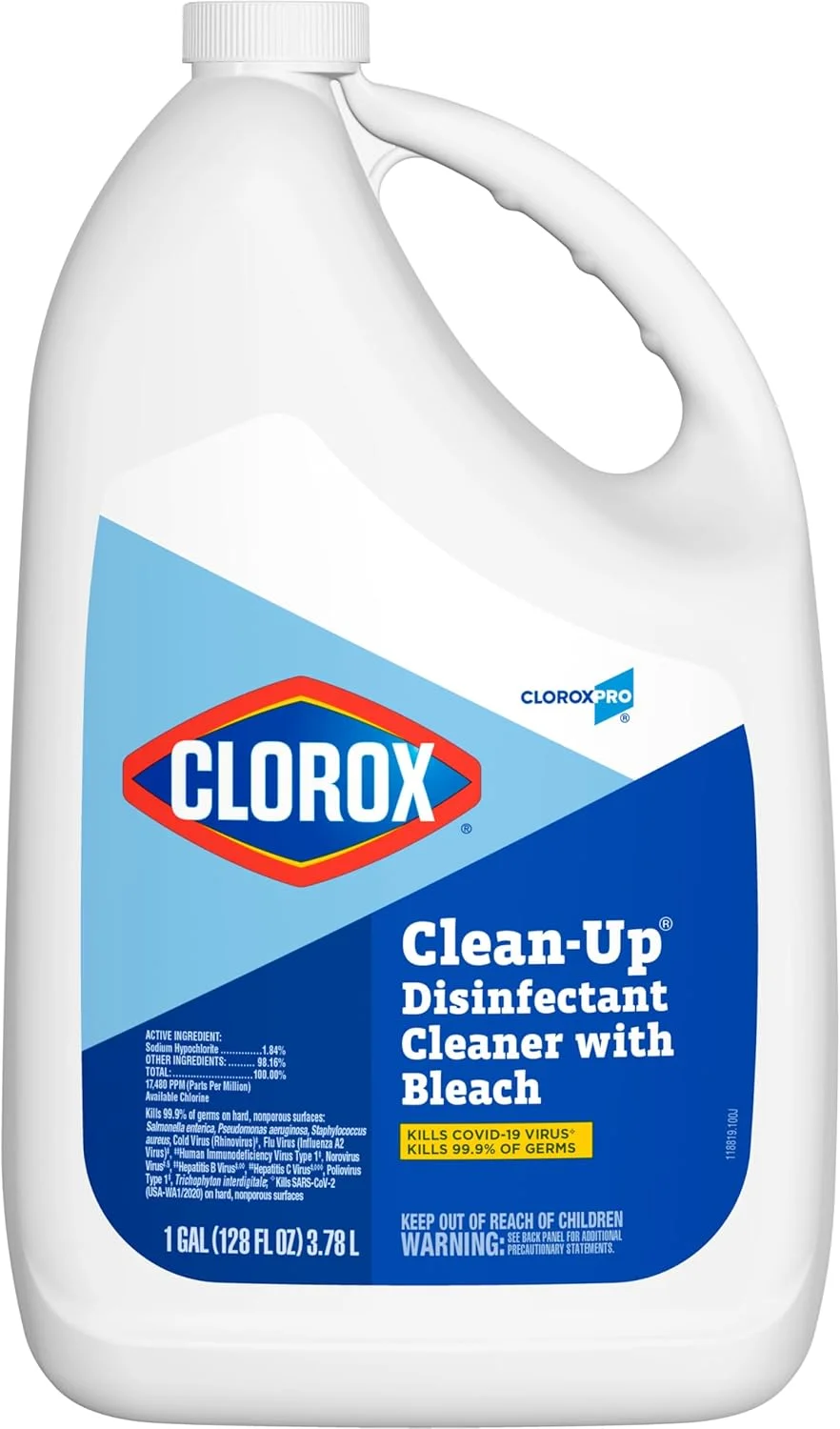
Clorox Commercial Clean-Up Disinfectant Cleaner
EPA-registered disinfectant cleaner. CDC recommends a 1:10 bleach-water solution for surfaces contaminated with rodent droppings, urine, or nesting material.
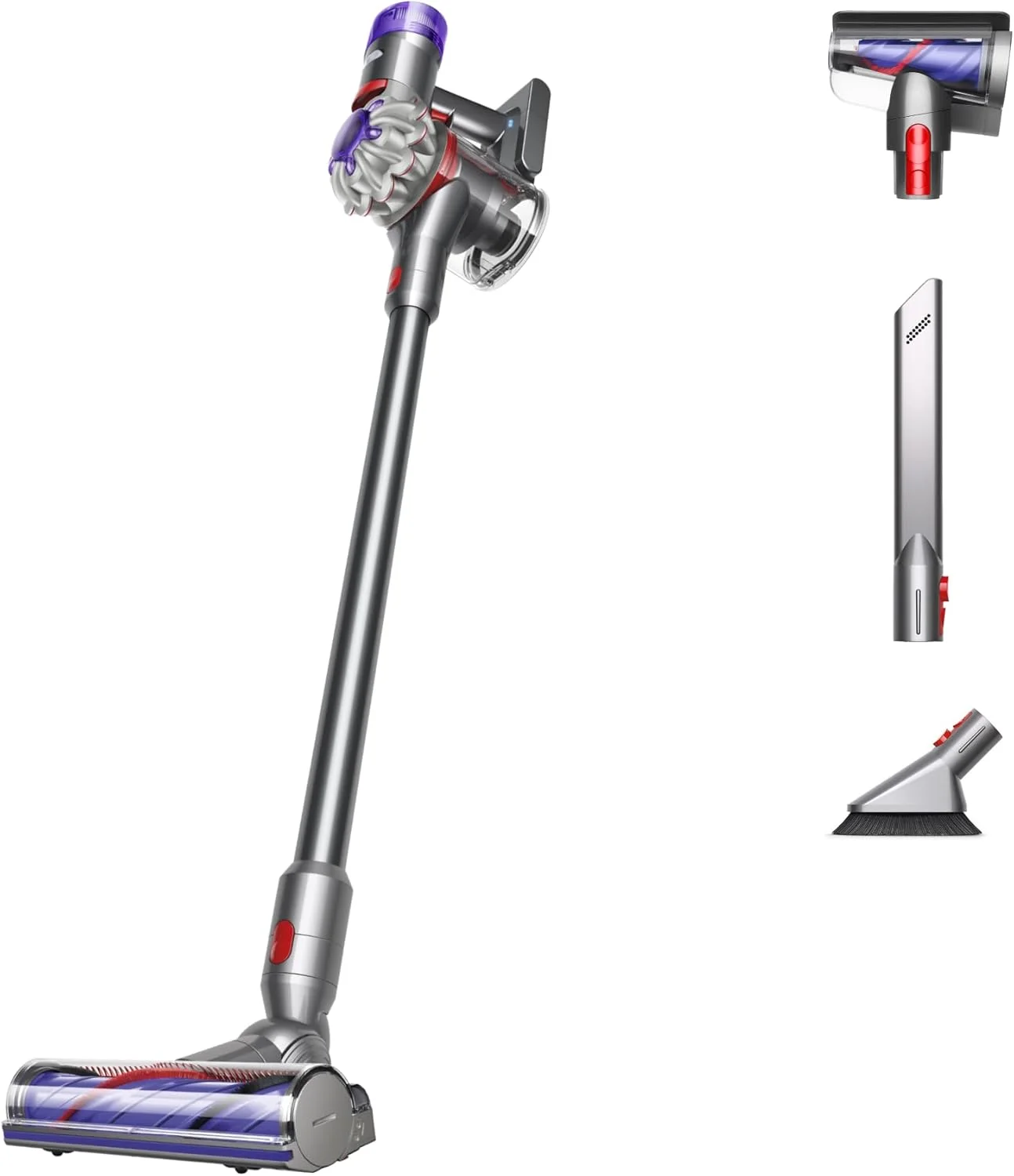
Dyson Cordless Vacuum with HEPA Filtration
Whole-machine sealed HEPA filtration captures and contains 99.97% of particles. Unlike standard vacuums, the sealed system prevents aerosolized rodent excreta from escaping back into the air.
Frequently asked questions
Are cats good for rodent control?
Should I use poison bait?
How long until rodent control takes effect?
Related articles
Hantavirus Prevention: How to Protect Your Home and Family
Prevent hantavirus by controlling rodents, sealing entry points, and following the safe cleanup protocol. Practical steps based on CDC and ECDC guidance.
TransmissionHow Hantavirus Spreads: Transmission Routes Explained
Hantavirus spreads through aerosolized rodent excreta. Person to person spread is rare and limited to one strain. Learn the real exposure pathways.
BasicsWhat is Hantavirus? A Complete Guide
Hantaviruses are rodent-borne RNA viruses that cause two distinct human syndromes. Learn how transmission, geography, and severity differ between strains.